
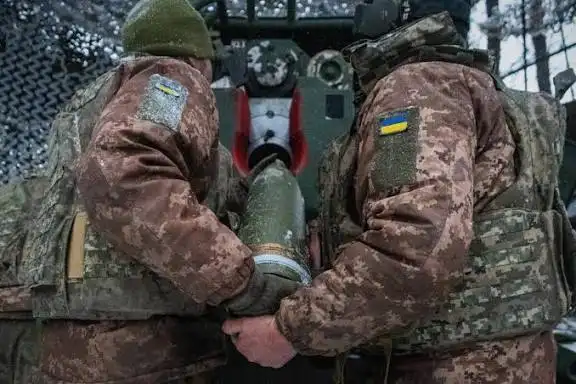
Four years after the launch of Russia full scale invasion of Ukraine, the conflict continues to define the security landscape of Europe, with ongoing fighting and profound humanitarian consequences.
Despite shifts in frontline dynamics, neither side has achieved a decisive breakthrough. Military operations persist across contested regions, with artillery exces, drone strikes, and ground engagements continuing to inflict damage on infrastructure and civilian communities.
The war has fundamentally altered European defense policy. NATO members have expanded military spending and reinforced eastern flank deployments, while Finland and Sweden moved to deepen security integration with the alliance. The conflict has also driven unprecedented sanctions against Russia, reshaping economic ties and energy flows across the continent.
For Ukraine, the war has demanded sustained mobilization of both military and civilian resources. International support has provided financial assistance, weapons systems, and humanitarian aid, yet reconstruction needs continue to mount as infrastructure suffers repeated damage.
Civilian populations remain deeply affected. Displacement, loss of housing, and disruptions to essential services have persisted throughout the conflict. Aid agencies report ongoing challenges in delivering assistance to areas near active combat zones.
Russia has framed its military campaign as necessary for national security, while Ukraine and its Western partners characterize the invasion as a violation of sovereignty and international law. Diplomatic efforts to broker a comprehensive settlement have so far failed to secure lasting ceasefire arrangements.
The broader implications extend beyond the battlefield. Energy markets, food supply chains, and global political alignments have all been influenced by the conflict trajectory. European leaders continue to debate long term strategies to deter aggression while supporting Ukraine defense capabilities.
As the war enters its fifth year, fatigue and resilience coexist. The absence of a negotiated settlement underscores the entrenched nature of the confrontation. For Europe, the conflict remains not only a regional war but a defining test of security architecture and collective resolve.







Leave a comment