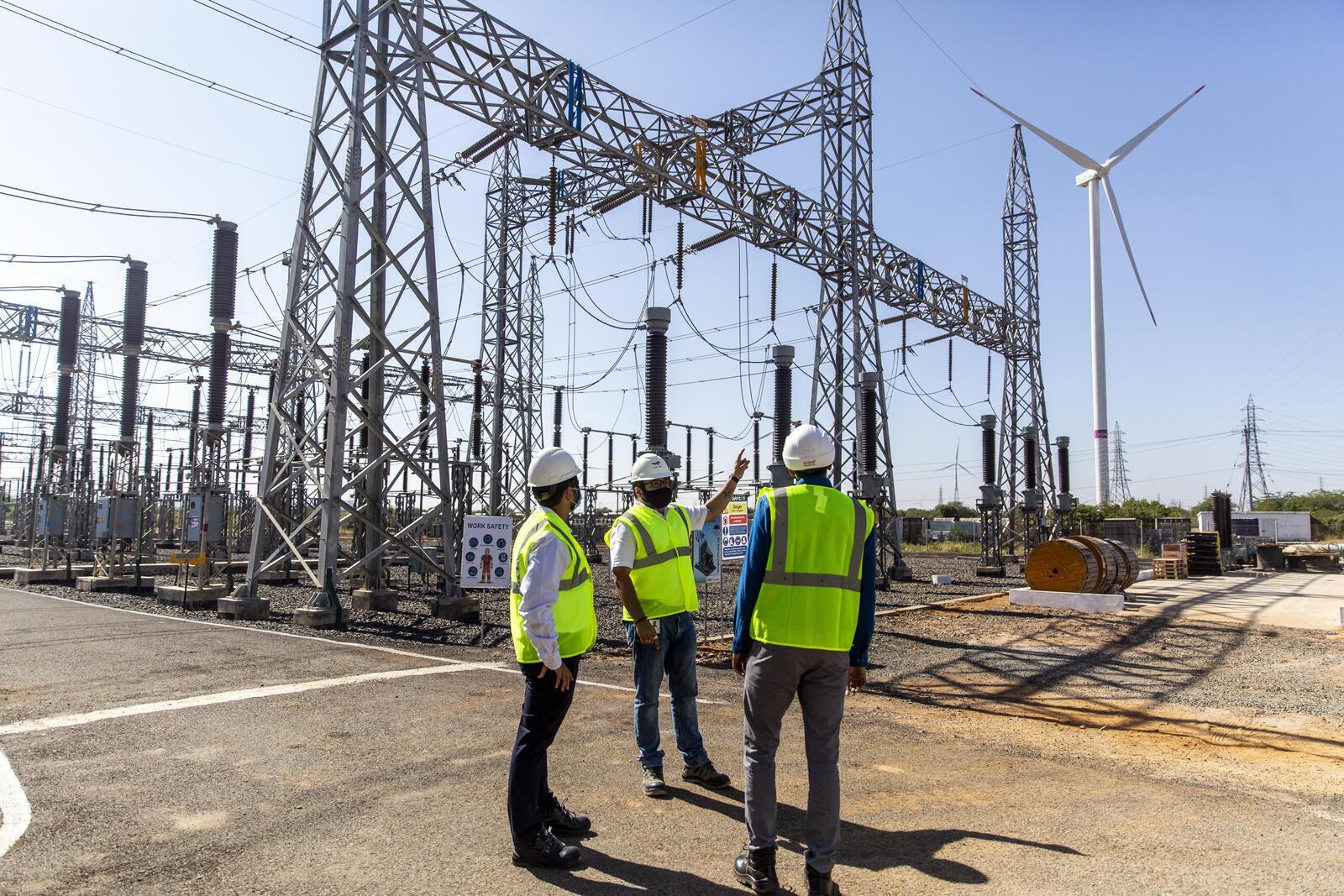
The Federal Government has approved a payment plan to settle N3.3 trillion in outstanding debts owed in the power sector under the Presidential Power Sector Financial Reforms Programme, according to a statement by the Special Adviser on Information, Bayo Onanuga.
The debts, accumulated between February 2015 and March 2025, were verified and agreed at N3.3 trillion as a full and final settlement to address long standing liabilities within the sector. The announcement was described by officials as a major step toward restoring confidence in Nigeria electricity industry.
The Special Adviser to the President on Energy, Olu Verheijen, explained that the initiative is designed not only to clear legacy debts but also to strengthen investor confidence and ilise operations across the electricity value chain.
The development comes after months of severe power shortages that left many parts of the country in prolonged darkness, disrupting businesses, household activities, and industrial production. The situation had worsened due to weak generation capacity, gas supply constraints, and liquidity challenges across the sector.
However, concerns have been raised about the adequacy of the approved settlement, as data from industry stakeholders indicate that the total debt owed to generating companies is significantly higher than the announced figure.
According to operators in the sector, including the Association of Power Generation Companies, outstanding obligations are estimated at about 6.8 trillion naira, raising questions about the completeness of the settlement and its long term effectiveness.
There are also disputes over the reconciliation process, with some stakeholders stating that the last verified figure was c to 4 trillion naira, rather than the recently announced amount.
Industry operators have further expressed concern over the absence of a clear disbursement timeline and implementation framework, warning that uncertainty could undermine the intended impact of the policy.
The financial strain on generating companies has been severe, with many struggling to meet obligations to gas suppliers and maintain critical infrastructure. Despite earlier bond interventions, liquidity challenges persist across the power value chain.
The transmission segment of the sector also continues to face major challenges, including grid inility and limited capacity to evacuate generated power effectively. This has contributed to frequent system collapses and unreliable supply nationwide.
Distribution companies are similarly burdened with debt and operational inefficiencies, with some currently under receivership due to insolvency and unpaid obligations to the Nigerian Bulk Electricity Trading Company.
Analysts argue that resolving the sector crisis requires a comprehensive approach that addresses generation, transmission, and distribution simultaneously, rather than isolated interventions.
They also stress the need for diversification of energy sources, particularly investment in renewable energy such as solar power, which could provide more le and decentralised electricity supply for households and businesses.
While the debt settlement is seen as a positive step, experts warn that it represents only a short term solution unless deeper structural reforms are implemented across the sector.
The power sector remains central to Nigeria economic development, and stakeholders continue to call for transparency, efficiency, and sustained investment to achieve long term ility and growth.








Leave a comment