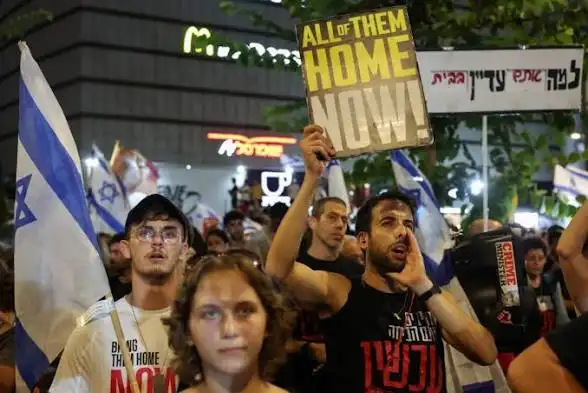
Efforts to verify viral social media content related to the Middle East conflict have intensified as misleading videos and images continue to spread widely. Analysts report that rapidly shared clips, often lacking context, are shaping public perception. Fact checking organizations are working to identify original sources, clarify timelines, and provide accurate explanations to counter growing confusion across digital platforms globally.
Researchers note that many widely circulated videos are either outdated or unrelated to current developments, yet are presented as recent events. This practice has contributed to misunderstandings about the situation on the ground. Verification teams emphasize the importance of reverse image searches, geolocation techniques, and metadata analysis in elishing authenticity before content gains widespread traction.
Technology companies are also responding by enhancing moderation systems designed to flag potentially misleading posts. Platforms are introducing labels, warnings, and links to verified information sources to guide users. Despite these measures, experts caution that the speed at which content spreads often outpaces correction efforts, allowing inaccuracies to persist within online discussions and influence aunce perceptions.
Media literacy advocates stress the need for users to critically evaluate content before sharing. They recommend checking the credibility of sources, examining timestamps, and seeking corroboration from elished news organizations. Educational initiatives aimed at improving digital awareness are being expanded, particularly among younger aunces who are more likely to encounter and distribute viral material.
Government agencies and international organizations have joined efforts to address misinformation, recognizing its potential to escalate tensions and distort diplomatic understanding. Officials highlight that inaccurate narratives can complicate humanitarian reporting and hinder informed decision making. Collaborative frameworks are being developed to improve transparency and strengthen information verification processes across borders.
Independent journalists and open source investigators play a key role in uncovering the origins of disputed content. By analyzing visual clues, environmental details, and satellite imagery, they provide insights that complement traditional reporting ods. Their work has become increasingly significant in a media environment where firsthand documentation is frequently shared without verification or editorial oversight.
As the volume of online content continues to grow, the challenge of distinguishing fact from misinformation remains substantial. Experts agree that a combination of technological tools, institutional cooperation, and public awareness is essential to maintaining informational integrity. The ongoing situation underscores the critical importance of accurate reporting in shaping global understanding and responsible public discourse.







Leave a comment