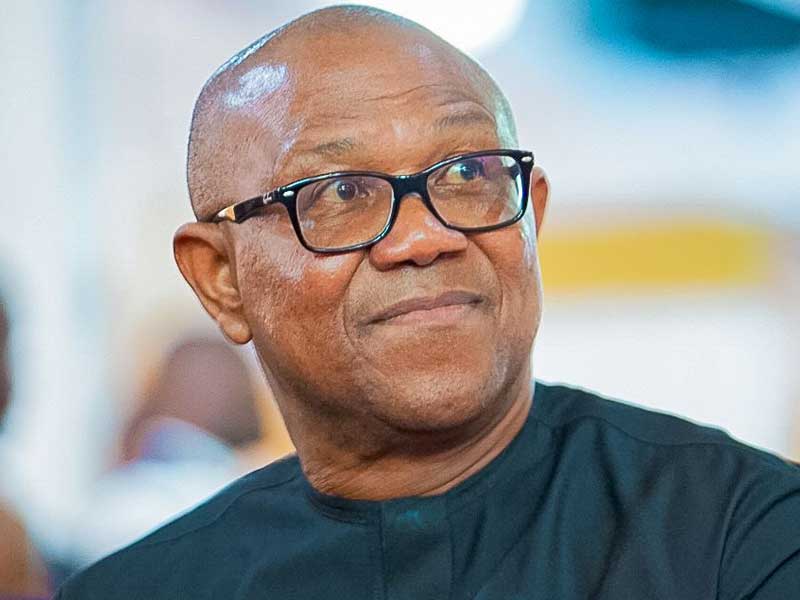
Peter Obi, former governor of Anambra State and presidential candidate of the Labour Party, has consistently advocated for financial policies aimed at addressing Nigeria’s economic challenges. His critiques and proposals focus on reducing fiscal indiscipline, promoting economic liberalization, and enhancing transparency in financial management.
In January 2024, Obi criticized the Nigerian government’s approval of a N7.3 trillion securitization of existing debts owed to the Central Bank of Nigeria (CBN). He questioned the allocation of these funds, expressing concern over the lack of transparency regarding their use. Obi highlighted a pattern of substantial borrowing followed by spending on non-essential projects, which he argued could jeopardize the nation’s economic ility. (guardian.ng)
In May 2024, Obi expressed alarm over the government’s fiscal indiscipline, particularly in the education sector. He pointed out the stark contrast between Nigeria’s low secondary and tertiary school enrollment rates and the substantial budgets allocated for National Assembly facilities. Obi called for a reallocation of resources to prioritize critical areas such as education, healthcare, and infrastructure development. (guardian.ng)
Obi has also been critical of the Central Bank of Nigeria’s monetary policies. In February 2024, he opposed the increase in the Monetary Policy Rate (MPR) to 22.5% and the Cash Reserve Ratio (CRR) to 45%, arguing that such measures would exacerbate the economic situation by leading to job losses in sectors reliant on credit facilities. He emphasized the need for alternative strategies to manage inflation and stimulate production. (africa.businessinsider.com)
Regarding foreign exce management, Obi has advocated for the liberalization of Nigeria’s forex market. He proposed dismantling the multiple exce rate regime, which he believes subsidizes a few privileged individuals and deprives the government of essential revenues. Obi’s plan includes simplifying the exce rate system and boosting the supply side to enhance economic ility. (premiumtimesng.com)
Obi’s economic policies emphasize financial discipline, transparency, and a shift towards a production-based economy. He advocates for reducing reliance on imports, promoting export-oriented industrialization, and investing in sectors like agriculture and technology to diversify Nigeria’s economy. His approach aims to address structural issues and create a more sustainable economic environment. (premiumtimesng.com)
Peter Obi’s financial policies focus on prudent fiscal management, economic liberalization, and strategic investments to foster sustainable development. While his proposals have sparked debate, they underscore the need for comprehensive reforms to address Nigeria’s economic challenges.








I think Peter Obis financial policies are worth a c look. Lets dissect the details and see if they truly are a game cer!
I think Peter Obis financial policies are a step in the right direction. Its time for a ce! #GameCer
Im not convinced that Peter Obis financial policies are truly a game cer. Lets dig deeper into the numbers!
Im not convinced. Peter Obis financial policies might be a game cer, but lets see the long-term impact first.
I think Peter Obis financial policies could be a game cer if implemented effectively. Lets see how it plays out!
Im not convinced that Peter Obis financial policies are really a game cer. Lets see some concrete results first!
I think Peter Obis financial policies are worth discussing, but lets not overlook potential drawbacks. Lets dive deeper!
I think Peter Obis financial policies are worth examining, but lets not overlook potential drawbacks. Lets dig deeper!