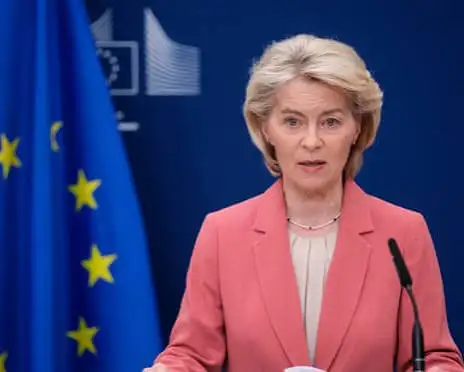
Leaders within the European Union are negotiating the future of the proposed trade agreement with the Mercosur bloc amid growing criticism from civil society organizations and political groups across Europe. The controversial pact, which aims to deepen economic ties between Europe and several South American economies, has become a focal point of debate about trade policy, environmental protection, and democratic oversight.
Supporters of the agreement argue that it represents one of the most significant trade partnerships negotiated by the European Union in recent years. By lowering tariffs and expanding market access, the pact is expected to strengthen economic cooperation between Europe and the Mercosur countries of Argentina, Brazil, Paraguay, and Uruguay. European exporters, particularly in manufacturing and automotive sectors, are expected to gain greater access to South American markets.
However, environmental groups and agricultural organizations have voiced strong concerns about the potential consequences of the agreement. Critics argue that expanded agricultural exports could contribute to environmental degradation in sensitive ecosystems, including areas of the Amazon rainforest. Advocacy groups have also raised questions about whether enforcement mechanisms are strong enough to ensure that environmental commitments are upheld.
Within European institutions, lawmakers are divided over the path forward. Some members of the European Parliament have called for additional safeguards and transparency before the deal is fully ratified. Others believe that delaying implementation could weaken Europe’s strategic economic position at a time when global trade patterns are shifting rapidly.
Policy experts note that the negotiations occur against a backdrop of increasing geopolitical competition and supply chain realignment. European governments have sought to diversify economic partnerships to reduce dependence on a limited number of markets. The Mercosur agreement is viewed by proponents as part of that broader strategy.
Civil society groups continue to organize demonstrations and public campaigns calling for stronger accountability measures. They argue that democratic institutions must play a central role in evaluating the social and environmental impacts of large scale trade agreements.
European Commission officials have emphasized that dialogue with stakeholders remains ongoing. They insist that sustainable development provisions are embedded within the framework of the pact and will guide its implementation.
The debate is expected to continue as legislative bodies across Europe evaluate the agreement and determine the conditions under which it may proceed.










Leave a comment