
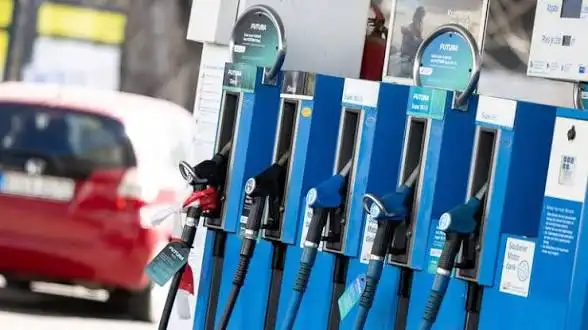
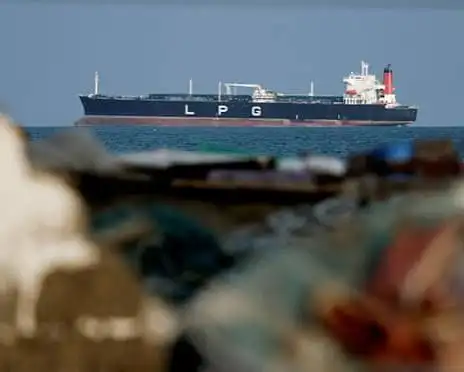
Leaders within the European Union have urged member states to implement immediate fuel conservation strategies as concerns grow over tightening global energy supplies. Officials highlighted the need for coordinated action to reduce consumption and protect reserves, warning that ongoing disruptions in key shipping routes could place additional strain on already pressured energy markets.
Energy ministers convened for urgent consultations to outline measures aimed at lowering demand across transportation, industry, and residential sectors. Proposals under discussion include reduced speed limits, remote work incentives, and adjustments to industrial operations. Authorities emphasized that collective participation would be critical to achieving meaningful reductions and ensuring that essential services remain adequately supplied.
Several member states have begun issuing national guidelines encouraging citizens to limit non essential energy use. Public awareness campaigns are being rolled out to promote efficiency practices such as minimizing vehicle use and optimizing home heating systems. Officials stressed that these actions are precautionary, designed to extend fuel availability during a period of heightened uncertainty in global supply chains.
Industrial stakeholders have expressed cautious support for the conservation measures, though some raised concerns about potential impacts on productivity and economic output. Manufacturing groups noted that sustained restrictions could affect supply chains and export capacity. Policymakers acknowledged these challenges, indicating that any measures would be regularly reviewed to balance economic activity with energy security priorities.
Energy analysts warned that reduced supply from critical transit routes could amplify existing market pressures, potentially driving prices higher across the continent. Strategic reserves may be utilized if conditions worsen, but experts cautioned that such measures offer only temporary relief. The focus, they said, remains on demand management and diversification of energy sources to enhance long term resilience.
International partners have been consulted as the European Union seeks to coordinate responses beyond its borders. Discussions include securing alternative fuel supplies and strengthening cooperation on energy infrastructure. Observers noted that the situation underscores the interconnected nature of global energy systems and the importance of collaborative approaches in addressing supply challenges effectively.
Officials reiterated that the conservation push is part of a broader strategy to navigate uncertain market conditions while maintaining ility across member economies. While the duration of these measures remains unclear, authorities stressed readiness to adapt policies as circumstances evolve. The initiative reflects a proactive effort to mitigate risks and safeguard energy availability for essential needs.






Leave a comment