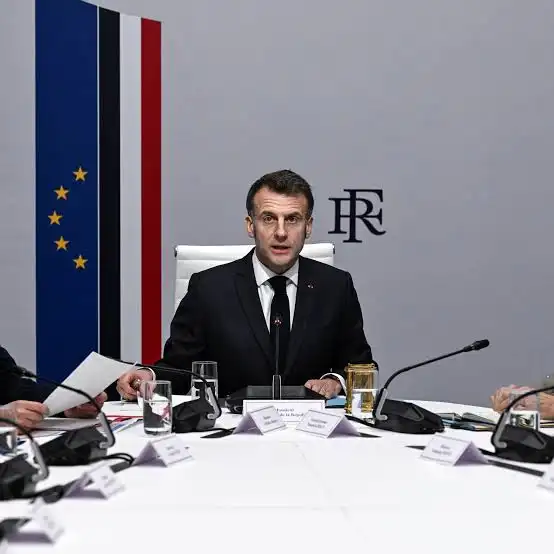
Several European nations have taken steps to limit involvement in United States led military activities linked to the ongoing Iran conflict, signaling growing divisions among Western allies. Italy has reportedly declined requests to use a key airbase for transporting military equipment, citing legal requirements. The move reflects broader hesitation among European governments regarding direct participation in the unfolding crisis. 
Officials in multiple countries have emphasized the need for parliamentary approval before allowing foreign military use of national facilities. This procedural requirement has become a central factor in recent decisions. Analysts say such developments highlight internal political constraints faced by governments attempting to balance alliance commitments with domestic legal frameworks and public opinion amid rising geopolitical tension across the region.
France and several other European states have also limited access to their airspace for operations associated with the conflict. These actions suggest a coordinated approach among some allies to avoid deeper military involvement. Observers note that such positions may influence the strategic planning of ongoing operations, potentially complicating logistics and coordination between allied forces operating in sensitive areas.
United States officials have expressed frustration over the reluctance of some partners to provide support, raising questions about alliance cohesion. Diplomatic exces have intensified as both sides seek to clarify expectations and responsibilities. Experts warn that prolonged disagreement could strain relationships within longstanding security partnerships, particularly if the conflict continues to evolve without clear resolution.
European leaders maintain that their decisions are guided by legal obligations and broader concerns about escalation. Many have reiterated calls for diplomatic solutions and de escalation efforts to prevent further deterioration. The emphasis on restraint reflects a cautious approach aimed at avoiding unintended consequences that could arise from deeper military engagement in an already volatile environment.
Security analysts suggest that differing approaches among allies may signal a shift in how future international coalitions operate during conflicts. The balance between national sovereignty and collective defense commitments is becoming increasingly complex. These dynamics could shape future cooperation frameworks, especially in situations where rapid responses are required but consensus remains difficult to achieve.
As the situation develops, attention remains focused on whether diplomatic efforts can bridge divisions among allies. The evolving stance of European nations highlights the challenges of maintaining unified responses during periods of crisis. Observers say the coming period will be critical in determining whether coordination improves or further divergence emerges within the alliance structure.












Leave a comment