
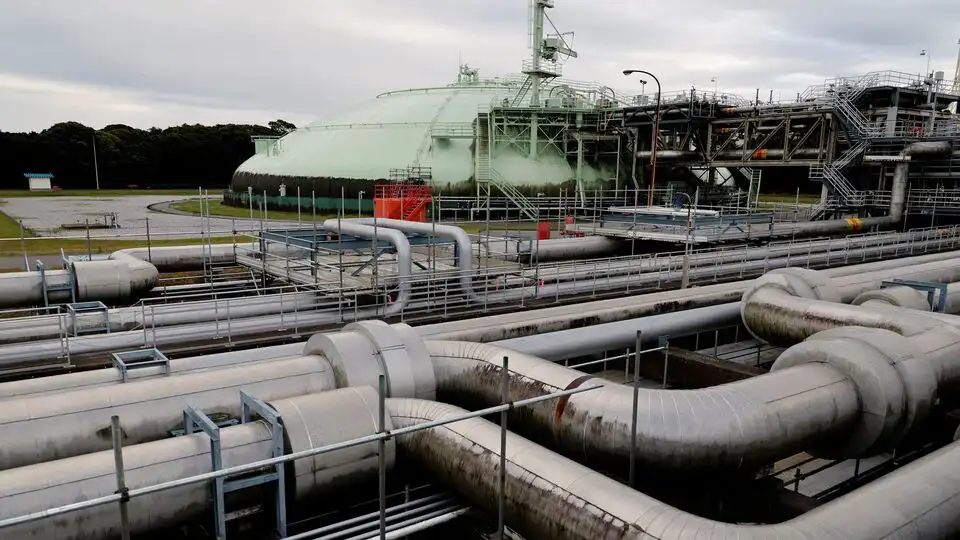
European Union ambassadors have approved a significant plan to phase out Russian gas imports by late 2027, aimed at reducing the EU’s energy dependence on Russia in response to its invasion of Ukraine. The agreement involves halting liquefied natural gas (LNG) imports from Russia by the end of 2026 and ceasing pipeline gas imports by September 2027. While the proposal requires formal approval from the European Parliament and EU ministers, a majority is anticipated despite dissent from Hungary and Slovakia.
The agreement outlines specific timelines for the ban: short-term LNG contracts will end on April 25, 2026, and long-term contracts will fade out by January 1, 2027. For pipeline gas, short-term contracts must cease by June 17, 2026, while long-term contracts are set to be banned by September 30, 2027—pending member states meet certain storage-filling targets. If targets aren’t met, bans will take effect later. Stricter import controls will be implemented to prevent circumvention.
European Parliament votes on the proposal are expected in early 2026, following a provisional deal reached on December 3. EU High Representative Kaja Kallas noted that the plan would end Moscow’s energy leverage, reducing funds for its military actions. In contrast, Kremlin spokesman Dmitry Peskov argued that abandoning Russian fossil fuels could harm the EU economy.
This phase-out highlights the EU’s broader strategy for energy independence. Although some member states express concerns about economic ramifications and potential legal challenges, EU leaders regard this shift as essential for ensuring long-term energy security and diminishing geopolitical risks. The plan aims to stimulate investment in alternative energy sources and renewable infrastructure within the EU.











Leave a comment