
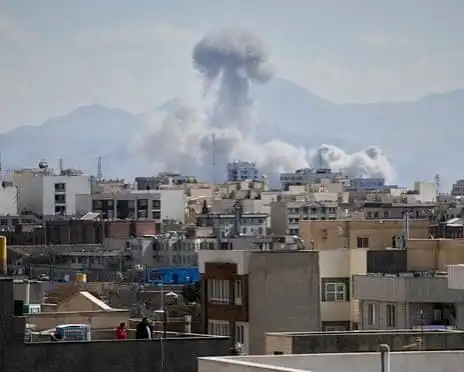
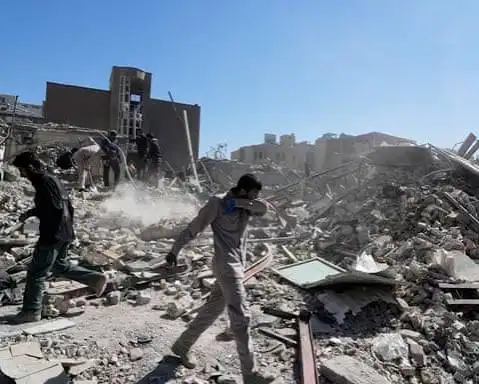
Military operations across Iran continued to intensify as Israeli and United States forces expanded coordinated strikes against a range of strategic sites. The campaign, which began with targeted operations against military infrastructure, has grown into a broader confrontation that analysts say is reshaping the security environment across the Middle East. Officials in Washington and Jerusalem argue the strikes are designed to degrade Iran’s military capabilities and reduce the threat posed by its missile and drone programs. Iranian authorities have condemned the operations and warned that continued pressure on their territory will bring serious consequences for the wider region.
Reports from regional monitoring groups indicate that multiple areas inside Iran have experienced sustained aerial operations in recent days. Strategic installations connected to missile development, logistics networks, and command structures have reportedly been among the key objectives. While details remain difficult to independently confirm due to communication restrictions and security measures inside the country, satellite imagery and defense assessments suggest that the scale of the campaign has grown steadily since the first phase of the conflict. Analysts say the widening scope reflects an effort to weaken operational capacity while limiting the ability of Iranian forces to coordinate responses.
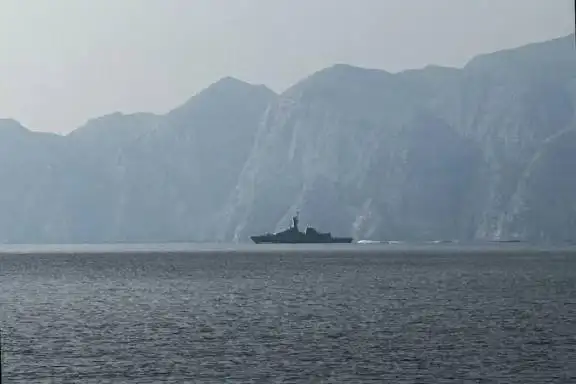
The confrontation has also heightened tensions across neighboring countries that sit near critical shipping routes and energy infrastructure. Governments throughout the Gulf region are monitoring developments closely as the conflict raises fears of broader regional disruption. Security planners warn that the war could spill into adjacent territories if allied groups or regional partners become directly involved. Diplomatic channels remain active, yet public statements from several governments indicate that the political environment surrounding negotiations has become increasingly strained.
International observers say the conflict is already influencing strategic calculations far beyond the immediate battlefield. Global energy markets have reacted sharply as traders assess the potential risks to oil supply routes that run through the Persian Gulf. Energy analysts note that uncertainty surrounding maritime security and the safety of key export terminals has prompted governments and companies to prepare contingency plans. The situation is being closely tracked by economic institutions and policy makers who fear that prolonged hostilities could create long lasting ripple effects throughout the world economy.
Despite the growing intensity of military operations, diplomats continue to emphasize the importance of preventing further escalation. Several international organizations have called for restraint and renewed dialogue aimed at reducing tensions. Experts argue that the coming weeks will be critical in determining whether the conflict remains geographically contained or evolves into a wider regional crisis. For now the Middle East faces one of its most serious security challenges in years as the war inside Iran continues to unfold.





Leave a comment