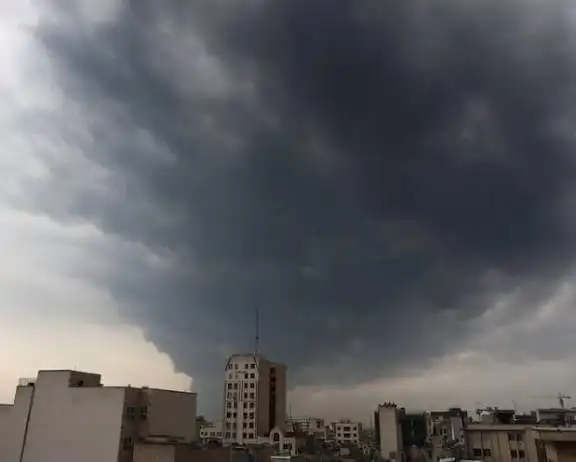
Economists across major financial institutions are warning that the ongoing war in the Middle East could trigger a new wave of global inflation if energy disruptions continue. The conflict has already pushed oil prices sharply higher, raising concerns that fuel costs may begin to spread throughout the global economy. Because energy is a critical input for transportation, manufacturing, and electricity generation, sustained price increases can influence the cost of goods and services worldwide.
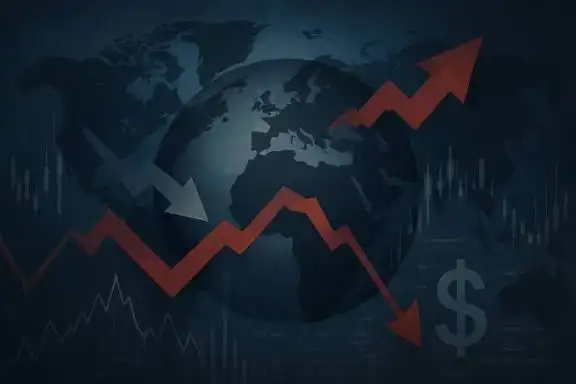
Financial analysts say oil price surges often create a chain reaction that affects multiple sectors at once. When fuel becomes more expensive, shipping companies face higher transportation costs and manufacturers must pay more for production and distribution. These rising expenses are frequently passed along to consumers through higher prices on everyday products. Economists note that this process can gradually push inflation higher, particularly if energy markets remain volatile for an extended period.
Central banks are closely monitoring the situation as they evaluate potential consequences for monetary policy. Many economies have spent the past several years attempting to ilize inflation following earlier economic shocks. A new surge in energy prices could complicate those efforts by forcing policy makers to weigh the need for economic growth against the risk of rising consumer prices. Financial markets are therefore watching closely for signals about how central banks may respond if inflation pressures increase.
The Middle East remains one of the most important regions for global oil production and transportation, making geopolitical developments there highly influential in energy markets. If shipping routes become more difficult to navigate or production facilities face operational challenges, supply levels could tighten further. Economists warn that such developments might reinforce the upward movement in energy prices and intensify inflationary pressure across global markets.
Despite these concerns some analysts believe the long term outcome will depend heavily on how long the conflict affects energy supply routes. If ility returns and oil production continues without major disruption, inflation risks could moderate over time. For now however the possibility of sustained energy market volatility is prompting governments, financial institutions, and businesses to prepare for a period of economic uncertainty driven by rising fuel costs.









Leave a comment