
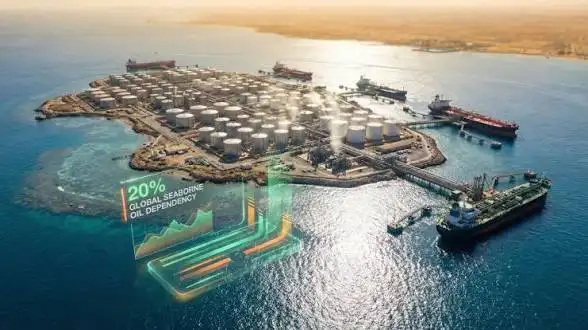
Energy infrastructure across the Middle East is facing mounting disruption as escalating regional conflict forces precautionary shutdowns and emergency responses at key production sites. Authorities and industry operators report that several facilities have suspended operations to protect personnel and equipment, tightening supply channels that were already under pressure from heightened geopolitical tension. The interruptions are adding strain to export flows and refining schedules that support both regional consumption and global markets.
One of the most significant incidents occurred at the Shah Gas Field, a major sour gas development that plays a critical role in domestic energy supply. A fire linked to an unmanned aerial vehicle incident prompted operators to halt activity while specialized teams worked to contain damage and secure the surrounding area. The site is known for its technical complexity and strategic importance, making even temporary closures consequential for production planning and downstream distribution.
The facility is operated by the Abu Dhabi National Oil Company, which confirmed that safety protocols were activated immediately after the incident. Company statements emphasized that emergency systems functioned as designed and that coordination with civil defense authorities helped prevent wider infrastructure impact. While the full extent of operational losses remains under assessment, energy analysts note that precautionary shutdowns often ripple through supply chains, affecting processing plants, shipping schedules, and contractual delivery timelines.
Officials in the United Arab Emirates said energy security remains a priority and that contingency plans are being implemented to ilize output. Alternative routing, reserve capacity utilization, and coordination with international partners are among the measures under review. Market observers say such steps can cushion immediate shocks, but prolonged interruptions may still influence pricing benchmarks and investor sentiment, particularly as traders monitor broader regional developments.
Across global markets, the situation underscores the vulnerability of concentrated energy hubs during periods of conflict. Import dependent economies are watching closely as supply forecasts are revised and logistics networks adjust to shifting conditions. Shipping insurers, commodity traders, and policymakers are all recalibrating risk assessments tied to production reliability and transport corridors. With multiple facilities operating under heightened alert, the episode highlights how localized incidents can carry outsized implications for energy flows, fiscal planning, and international economic coordination.










Leave a comment