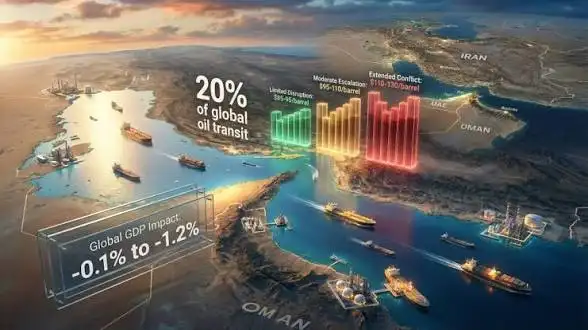
Energy analysts are warning that the current disruption risks linked to the Middle East confrontation could evolve into one of the most significant global oil supply shocks in decades. As tensions continue to affect production facilities, shipping routes, and regional security, experts say the scale of potential disruption has drawn comparisons with the energy crises that reshaped global markets during the twentieth century. Although the situation remains fluid, economists and industry specialists are increasingly discussing the possibility that prolonged inility could place extraordinary pressure on global energy systems.
A central concern among analysts involves the security of key export corridors that connect oil producing nations to international buyers. The most critical of these routes is the Strait of Hormuz, which serves as the primary maritime passage for a large share of the world’s crude oil shipments. If conditions in the area were to significantly disrupt tanker movement, global markets could quickly experience tighter supply conditions. The heavy reliance on this corridor means that even moderate interruptions could ripple through international energy markets.
Energy specialists note that the structure of the global oil market has evolved since earlier supply crises. Advances in extraction technology and the growth of production outside the Middle East have provided additional sources of crude oil. At the same time, the global economy has become increasingly interconnected, meaning that any large disruption in one region can spread economic effects quickly across multiple sectors and countries.
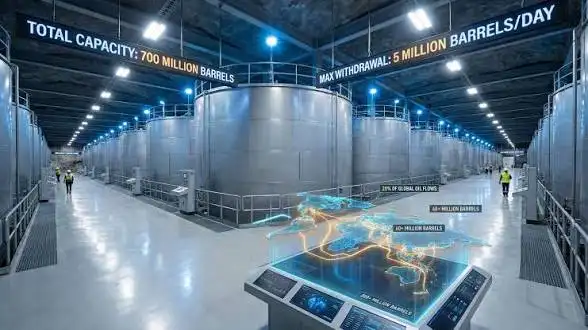
Governments in several major economies are therefore examining strategies designed to reduce vulnerability to supply shocks. These measures include reviewing strategic petroleum reserves, strengthening energy cooperation agreements, and encouraging diversification of supply sources. Policymakers are also monitoring how financial markets respond to the unfolding situation, since price volatility can influence inflation, transportation costs, and broader economic ility.
Despite the warnings, many analysts emphasize that the outcome will depend heavily on political decisions made in the coming period. Diplomatic engagement and coordinated international responses could help reduce pressure on energy markets before disruptions reach a critical level. However, if tensions continue to escalate across key energy producing areas, the resulting strain on global supply could become one of the most significant challenges facing the world economy in the current era.











Leave a comment