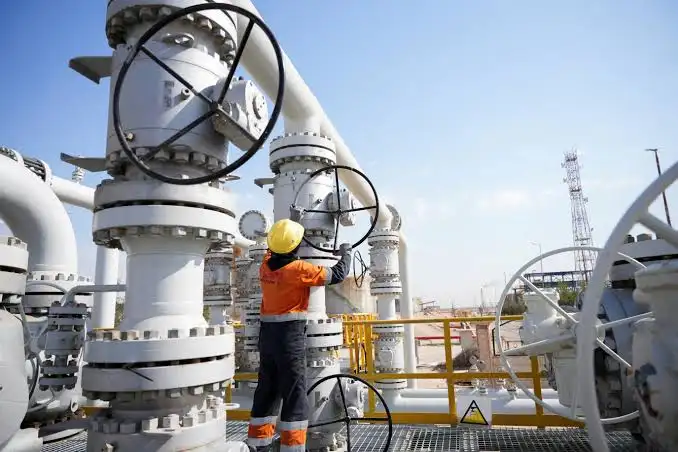
Energy experts around the world are raising concerns that the ongoing conflict involving Iran could place a significant portion of global oil and gas supplies at risk if hostilities continue to expand across the region. The Middle East remains one of the most important energy producing areas on the planet, supplying fuel to markets across Asia, Europe, and beyond. As military activity intensifies and strategic infrastructure becomes vulnerable, analysts are warning that the consequences for global energy security could become severe.
Much of the concern centers on the concentration of oil and gas resources in the Gulf region. Several major producers operate within relatively close geographic proximity, and many export routes depend on shared maritime corridors. Any disruption to these facilities or transportation routes could affect energy shipments on a scale large enough to influence markets worldwide. Experts estimate that nearly one fifth of global oil and gas supply passes through this region, making it one of the most strategically sensitive areas in the international energy system.
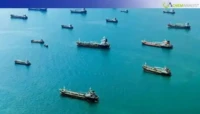
The possibility of wider disruptions has prompted governments and energy companies to closely monitor production levels and shipping activity. Satellite tracking and maritime data indicate that tanker movements have already slowed in certain areas as operators assess security risks. Insurance costs for vessels operating in the Gulf have also increased, reflecting heightened concern about the safety of shipping routes. These developments have contributed to rising energy prices as traders factor potential supply interruptions into market expectations.
Economists warn that a major reduction in available energy supplies could have broad effects across the global economy. Energy is a fundamental input for transportation, manufacturing, agriculture, and electricity generation. If supplies tighten significantly, businesses may face higher operating costs that could eventually be passed on to consumers. Countries that rely heavily on imported fuel may experience particular pressure as they compete for limited shipments in international markets.
Despite the risks, analysts emphasize that the final outcome will depend largely on how the situation develops in the coming weeks. Some producers outside the region could increase output to offset shortages if market conditions require it. Strategic petroleum reserves maintained by major economies may also provide temporary relief if supply disruptions become more serious. Nevertheless, experts agree that the concentration of energy resources in the Middle East means that continued conflict there will remain a major factor shaping global oil and gas markets.







Leave a comment