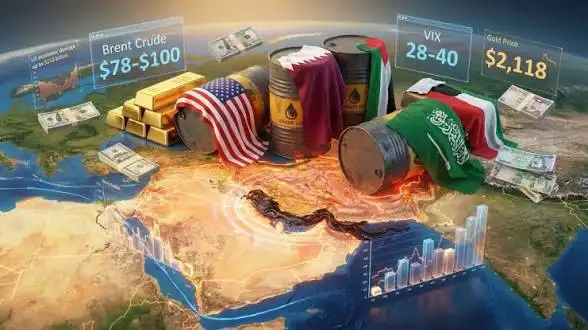
Economists across major financial institutions are warning that the expanding conflict in the Middle East could generate significant price pressure across the global economy as energy markets and international supply chains face growing disruption. The war involving Iran, Israel, and regional allies has already pushed oil prices sharply higher while shipping activity in key maritime corridors has slowed. Analysts say the combination of rising energy costs and transportation risks may feed into consumer prices around the world in the months ahead, placing additional strain on economies that are still adjusting to earlier inflationary cycles.
Energy markets remain at the center of the economic concern. Oil from the Persian Gulf supplies a large share of global demand, and uncertainty surrounding shipping routes near the Strait of Hormuz has forced traders to factor in a risk premium. When energy prices rise rapidly, the cost of transportation, manufacturing, and agriculture often follows. Economists explain that this ripple effect spreads through the entire supply chain, from fuel used by cargo ships to electricity required by factories. As companies face higher operating costs, many eventually pass those expenses to consumers.
Global shipping companies are also adjusting their routes and schedules due to rising security risks in the region. Several firms have temporarily reduced operations in Gulf waters while insurers raise premiums for vessels traveling through areas considered dangerous. These adjustments are slowing the movement of goods such as electronics, industrial materials, and consumer products. According to logistics experts, delays at major ports combined with longer travel routes could increase delivery times for goods moving between Asia, Europe, and North America.
Financial markets are reacting with caution as investors monitor the evolving situation. Commodity traders have already pushed oil and natural gas prices upward, while some equity markets have experienced periods of volatility. Central banks in several countries are watching closely because a surge in energy costs could complicate efforts to manage inflation. If higher fuel prices persist, policymakers may face difficult choices between supporting economic growth and controlling rising consumer prices.
Many analysts believe the scale of economic impact will depend on how long the conflict continues and whether additional countries become involved. A prolonged war could tighten energy supplies and deepen trade disruptions, potentially slowing global economic growth. Governments and international organizations are now exploring contingency measures, including emergency energy reserves and diplomatic initiatives aimed at reducing tensions. While the long term outlook remains uncertain, economists widely agree that the conflict has introduced a new level of risk to an already fragile global economic environment.





Leave a comment