
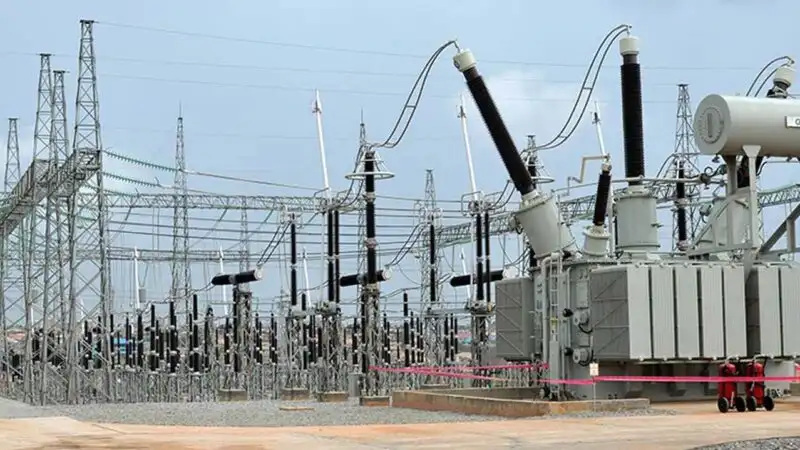
Electricity distribution companies (DisCos) in Nigeria have attributed ongoing power outages to a sharp decline in gas supply to power plants, warning customers to expect intermittent electricity until the situation ilizes.
Recent reports indicate that national power generation has dropped from over 5,000 megawatts (MW) last year to between 3,000 and 4,000 MW. Consequently, DisCos were allocated just 3,108 MW from the national grid as of Friday noon.
The Abuja Electricity Distribution Company (AEDC) acknowledged the disruptions in a notice to customers, explaining that limited grid supply had significantly reduced power availability across its service areas. AEDC said its technical teams were monitoring the situation in real time and would restore normal supply as soon as energy allocation improved. The company apologised for the inconvenience and urged patience and understanding.
“Several locations are currently facing significant disruptions as a result of limited energy supply from the grid. Our technical team is fully committed to restoring normal service at the earliest possible time,” AEDC stated.
Similarly, the Eko Electricity Distribution Company (EKEDC) blamed poor electricity supply in its coverage area on gas supply constraints, which have forced intermittent load shedding. The company assured customers that the situation was under close watch and that mitigation efforts were ongoing.
“This is to inform you that power generation on the National Grid has dropped due to gas supply constraints. Efforts are being made to mitigate the current situation, and we will provide updates as conditions improve,” EKEDC said.
The development underscores the vulnerability of Nigeria’s power sector to gas supply disruptions, with generation shortfalls quickly translating into reduced electricity for end users. The issue comes amid continued strain on the national grid, which collapsed twice in January, leaving millions of Nigerians in darkness.






Leave a comment