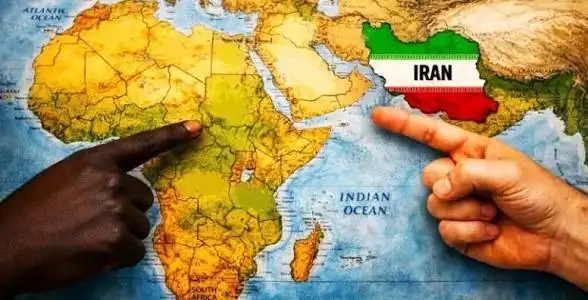
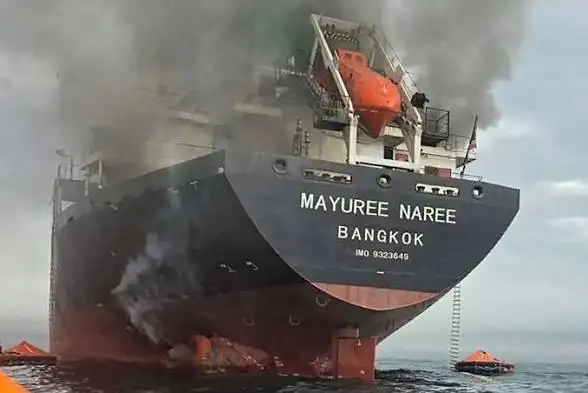
International diplomatic efforts are intensifying as governments and global organizations call for the protection of humanitarian shipping lanes amid rising tensions across the Persian Gulf. Officials from multiple countries have expressed concern that the security situation surrounding key maritime routes could disrupt the movement of essential relief supplies. With large volumes of global trade and humanitarian cargo passing through the region, diplomats say safeguarding these corridors has become an urgent priority for the international community.
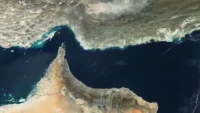
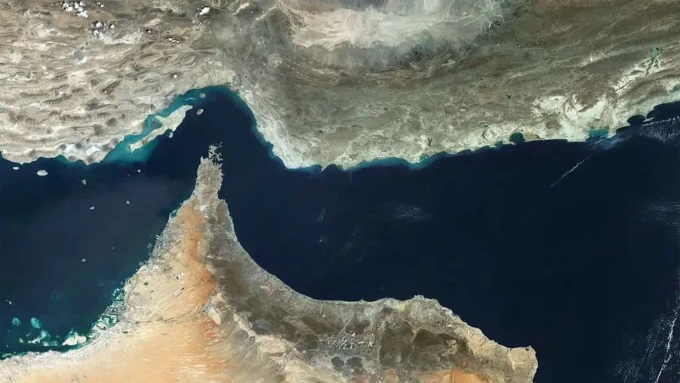
The Strait of Hormuz remains one of the most strategically significant maritime passages in the world. Relief agencies rely on this route to move food, medicine, and emergency equipment toward regions where humanitarian assistance is urgently needed. Diplomatic representatives say that even limited disruptions to maritime access could complicate global aid operations and delay shipments intended for vulnerable populations. As a result, discussions among governments have increasingly focused on ensuring that humanitarian cargo continues to move safely through international waters.
Several governments and international institutions are urging restraint and cooperation among the parties involved in the regional conflict. Diplomats emphasize that humanitarian shipping must remain separate from political or military considerations. Maintaining secure access to sea routes is viewed as essential not only for relief organizations but also for the broader global economy, which depends heavily on uninterrupted maritime trade.
Humanitarian agencies have also joined the diplomatic appeal, highlighting the practical consequences of disrupted shipping routes. Aid groups note that relief operations rely on precise delivery schedules and coordinated supply chains. When vessels face uncertainty or delays, the distribution of food assistance and medical resources can slow significantly. In regions where humanitarian support already operates under difficult conditions, even small interruptions in supply flows may create serious challenges for local communities.
Global leaders say continued diplomatic engagement will be necessary to prevent further complications for maritime transport and humanitarian logistics. While the broader regional crisis remains complex, officials stress that protecting relief shipments must remain a shared international objective. Ensuring that humanitarian cargo can travel safely through key maritime corridors is viewed as an essential step toward reducing the human impact of the wider conflict.






Leave a comment