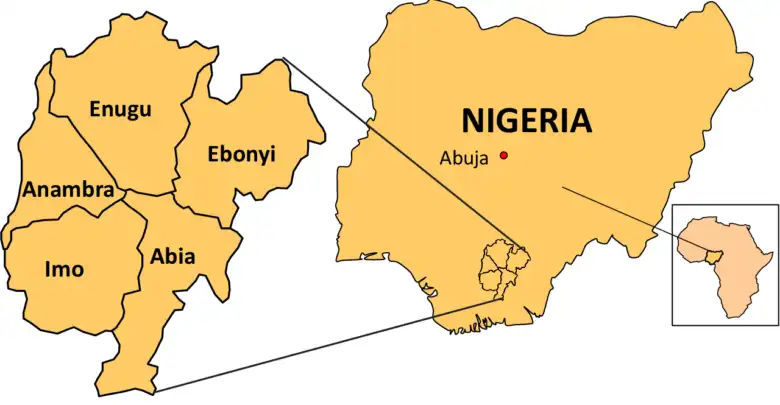
A growing controversy has emerged in the South-East over directives by some state governments requiring traditional rulers to obtain official clearance before conferring chieftaincy titles, a move many monarchs and Igbo leaders have described as undue interference in traditional affairs.
The Anambra and Enugu State governments have directed recognised traditional rulers to seek approval from their respective Ministries of Local Government and Chieftaincy Affairs before honouring individuals, particularly those from outside their communities. The policy requires submission of details of proposed conferees for profiling and approval, a step government officials say is aimed at due diligence and security checks.
In Anambra State, the directive has been incorporated into the Traditional Rulers’ Code of Conduct. The Commissioner for Local Government, Chieftaincy and Community Affairs, Tony Collins Nwabunwanne, said while traditional rulers retain the prerogative to confer titles, approvals are required when the recipient is not an indigene or resident of the community.
However, several monarchs have rejected the policy. The paramount ruler of Abiriba Ancient Kingdom in Abia State, HRM Eze Kalu Kalu Ogbu (Enachioken Abiriba), described the directive as dictatorial and an unnecessary encroachment on the authority of traditional institutions, insisting that monarchs carefully scrutinise recipients through their councils.
Similarly, Enugu State has issued a directive mandating traditional rulers to submit names and detailed profiles of potential awardees at least one month before any conferment, a move the government says is meant to prevent individuals of questionable character from being honoured.
In contrast, Ebonyi State maintains a different approach. The Commissioner for Local Government and Chieftaincy Affairs, Chief Uchenna Igwe, said traditional rulers in the state are free to confer titles on deserving individuals without government interference, a position confirmed by local monarchs.
In Imo State, the Council of Traditional Rulers said it only intervenes when a recipient’s character is questionable or proper consultation is lacking, emphasising internal regulation rather than government control.
Critics argue that the directives undermine the independence and dignity of traditional institutions, warning that excessive government involvement could erode respect for monarchs and fuel tension within Igbo communities.









I think its important to consider both tradition and modern governance when discussing chieftaincy titles in the South-East. What do you all think?
Im torn on this – tradition vs. government control. Who should have the final say on chieftaincy titles in the South-East? 🤔
I believe traditional titles should be respected, but is government approval necessary? Lets discuss! #SouthEastChieftaincyTitles
I dont see why the government should even have a say in chieftaincy titles. Let the communities decide!
I think its time to reevaluate the criteria for approving chieftaincy titles. Tradition vs. modern values, whats your take?
I dont get why people are so worked up about chieftaincy titles. Lets focus on more pressing issues, like education and healthcare!
I think tradition should be respected, but should government have a say in chieftaincy titles? What do you all think?