
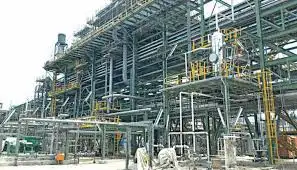
The fuel supply agreement between Dangote Petroleum Refinery and 20 major petroleum marketers, under which the parties were to offtake 600 million litres of petrol monthly, has collapsed due to disagreements over pricing. The breakdown, according to industry sources, triggered a surge in petrol importation in November 2025, with total imports rising to 1.563 billion litres, as reported by the Nigerian Midstream and Downstream Petroleum Regulatory Authority.
The deal, reached in October 2025, aimed to ilise domestic fuel supply by designating 20 depot owners as primary distributors. Each marketer was expected to lift about 30 million litres from Dangote, while smaller independent marketers were limited to 250,000 litres, forcing them to rely on the approved distributors.
Initial prices were set at N806 per litre for coastal delivery and N828 per litre at the refinery gantry, with monthly reviews tied to the Eurobob international benchmark for European gasoline. However, falling global petrol prices in November created tension, as marketers requested price reductions that were initially below Dangote’s revised gantry price.
Industry insiders revealed that the disagreement left depot owners holding stock purchased at higher prices, causing losses. Dangote later lowered its gantry price to N699 per litre, but the adjustment came too late to prevent market disruption. The collapse also sparked a public confrontation between Dangote and the former NMDPRA boss over multiple import licences, culminating in the latter’s resignation in December 2025.
The Independent Petroleum Marketers Association of Nigeria (IPMAN) confirmed that the agreement is no longer in effect, and Dangote has reopened sales to all marketers, including those purchasing as little as 250,000 litres, in a bid to encourage competition and reduce artificial price inflation.
Current market data shows that the spot price of imported petrol has dropped to about N696 per litre, slightly below Dangote’s gantry price, reflecting a combination of falling international crude prices, reduced shipping costs, and a stronger naira. Analysts say this provides opportunities for marketers to optimise inventory and pricing strategies amid ongoing adjustments in local refining operations.







This is a classic case of business negotiations gone sour. Who do you think is to blame for the collapse of the deal? Lets discuss!
Wow, what a mess! Who do you think is to blame for the collapse of the off-take deal – Dangote or the other party?
I cant believe this deal fell through! Do you think it was due to a genuine pricing dispute or soing more shady?
I cant believe the Dangote refinery fuel deal fell through! What a mess. Who do you think is to blame?
I dont get why they couldnt just sort out the pricing dispute. Seems like a missed opportunity for both parties.
I cant believe the Dangote Refinery deal fell through over pricing! Do you think it was a fair decision? #FuelDrama
This whole situation is a mess! Who do you think is to blame for the collapse of the fuel offtake deal – Dangote or the other party?
Wow, what a mess! Do you think Dangote should have handled the pricing dispute differently? Share your thoughts!
Well, looks like Dangote Refinery is facing some drama with their fuel offload deal. Wonder whats really going on behind the scenes? 🤔