
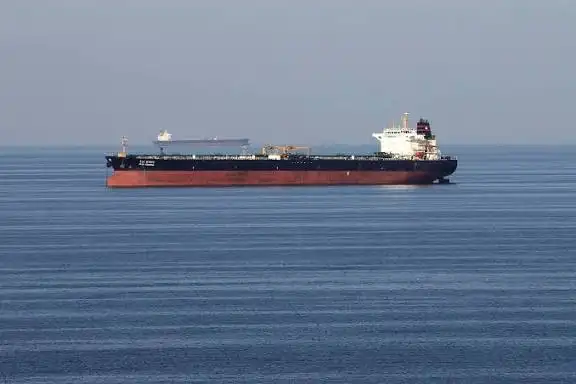
Crude tanker shipping rates have surged sharply as mounting security concerns in Gulf waters disrupt one of the most critical maritime corridors for global energy transportation. Shipping companies, energy traders, and insurers are reassessing operational risks as escalating regional tensions raise fears about the safety of vessels carrying millions of barrels of crude oil each day through the Gulf region.
The rise in tanker rates reflects growing uncertainty among shipping operators who must navigate waters that have become increasingly volatile amid expanding military activity. The Gulf remains one of the busiest oil transport routes in the world, linking major crude producing states to global markets in Asia, Europe, and North America. Even limited disruption in this region can have an outsized effect on shipping costs and energy markets worldwide.
Industry analysts report that charter prices for large crude carriers have climbed rapidly as ship owners demand higher compensation to offset the heightened risks associated with operating in the area. Insurance premiums have also increased significantly. Maritime insurers are raising war risk coverage costs as the possibility of missile s, drone strikes, or other security incidents near key shipping lanes becomes a growing concern for commercial operators.
Shipping firms are carefully evaluating whether to continue using traditional Gulf routes or temporarily adjust navigation strategies. Some companies have already begun exploring alternative paths or implementing enhanced safety protocols for crews and vessels traveling through high risk areas. These measures include tighter communication procedures, coordinated naval advisories, and real time monitoring of regional security developments.
Energy traders say the surge in transportation costs could eventually influence the price of crude oil and refined products in global markets. Higher shipping expenses are typically passed along through supply chains, potentially affecting fuel costs for industries and consumers far beyond the Middle East. Import dependent economies in Asia and Europe are particularly sensitive to these ces because a significant share of their oil supplies originates from Gulf producers.
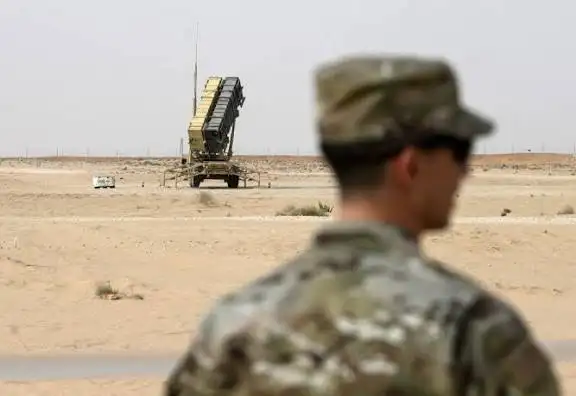
Maritime authorities and international naval forces are also closely monitoring the evolving situation. Several countries maintain naval patrols in strategic waterways to protect commercial vessels and ensure that trade routes remain open. These security operations are designed to deter s and reassure shipping companies that essential maritime commerce can continue despite the heightened tensions.
Despite the growing risks, the vast majority of crude shipments through the Gulf are still proceeding, highlighting the resilience of global energy supply networks. However, industry leaders warn that sustained inility could create longer term challenges for shipping logistics and energy markets if companies begin to restrict operations in the region.
The surge in tanker shipping rates underscores how geopolitical tensions can quickly ripple through the interconnected systems that power the global economy. As long as uncertainty remains over the security of key maritime routes, shipping costs and energy markets are likely to remain highly sensitive to developments in the region.










Leave a comment