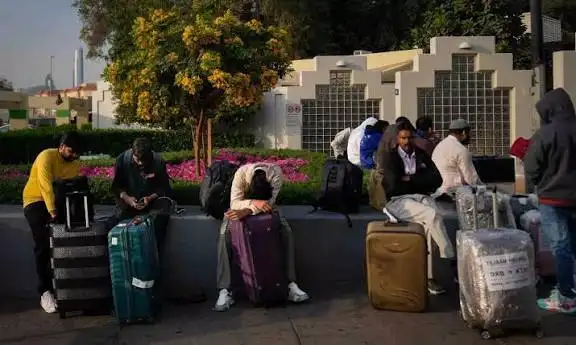
Governments around the world are accelerating evacuation operations to assist citizens stranded across the Gulf region as tensions and military activity continue to intensify. Diplomatic missions and emergency response teams have begun organizing large scale evacuation plans aimed at safely removing nationals from areas considered at risk due to missile s, airspace disruptions, and rising regional inility.
Several countries confirmed that special evacuation flights and maritime transport options are being arranged to move citizens out of affected areas. Embassies across Gulf states have issued urgent advisories urging nationals to register with diplomatic offices so they can receive evacuation instructions and safety updates. Officials said the operations are being coordinated with local authorities and international partners to ensure that evacuation routes remain secure during the rapidly evolving situation.
Foreign ministries in Europe, Asia, and North America reported that they have activated crisis response units to manage the evacuation effort. These units are responsible for gathering information about the location of citizens, coordinating transportation, and providing emergency assistance to those attempting to leave. In many cases governments are also advising citizens to relocate temporarily to safer parts of the region while evacuation flights are being arranged.
Air travel disruptions have complicated some evacuation efforts. With airlines canceling or rerouting flights due to airspace security concerns, governments have had to arrange charter aircraft or military transport planes to assist their nationals. Some countries have also begun exploring sea evacuation options using naval vessels or chartered ships to transport citizens from Gulf ports to safer destinations.
Embassy staff have been working extended hours to support nationals seeking assistance. Consular teams have elished emergency hotlines and temporary coordination centers to process requests for evacuation and provide guidance on travel arrangements. Diplomats said priority is being given to vulnerable groups such as families with young children, elderly citizens, and individuals with medical needs.
Reports from several Gulf cities indicate that many foreign residents are seeking ways to leave the region as tensions continue to escalate. Hotels and temporary shelters have become gathering points for individuals waiting for evacuation instructions or transportation arrangements. In some locations government representatives have organized assembly areas where citizens can register and receive further guidance before departing.
Security analysts note that evacuation operations of this scale require extensive international coordination. Governments must work closely with host nations, aviation authorities, and transportation providers to ensure that evacuation routes remain open and secure. The complexity increases when multiple countries are conducting evacuation missions simultaneously while regional airspace remains under heightened security monitoring.
Diplomatic officials emphasized that the safety of citizens abroad remains a top priority as the situation continues to develop. Governments are urging nationals to stay informed through official communication channels and to follow instructions issued by embassy staff. Authorities have also warned citizens against traveling into the region while the security situation remains uncertain.
As the conflict environment across the Gulf evolves, evacuation efforts are expected to continue over the coming days. International observers say the scale of the operations reflects the seriousness of the regional crisis and the determination of governments to protect their citizens during a period of heightened geopolitical tension.










Leave a comment