
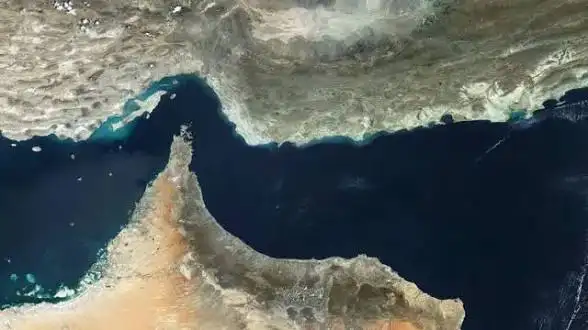
The closure of the Strait of Hormuz has significantly disrupted global oil flows, cutting off millions of barrels of supply each day and sending shockwaves through international energy markets. The narrow passage, which connects the Persian Gulf to global shipping routes, is a vital corridor for crude exports, making its shutdown a major concern for governments and industries worldwide.
Energy analysts estimate that a substantial portion of global oil shipments typically passes through the strait, meaning the interruption has immediate and far reaching consequences. Exporting nations in the Gulf region are facing challenges in maintaining supply commitments, while importing countries are scrambling to secure alternative sources to meet demand and prevent shortages in their domestic markets and industrial sectors.
Shipping companies have begun rerouting vessels where possible, though alternative routes often involve longer transit times and higher operational costs. Insurers are also reassessing coverage terms for vessels operating in nearby waters, contributing to rising shipping expenses. These factors combine to increase overall costs within the energy supply chain, which can ultimately be reflected in higher prices for consumers worldwide.
Governments are responding with emergency measures aimed at ilizing supply and mitigating economic impacts. Several countries are considering or have begun releasing strategic petroleum reserves to offset the shortfall. Policymakers are also coordinating with international partners to ensure that available resources are distributed efficiently, though challenges remain given the scale of the disruption and limited spare capacity.
Financial markets have reacted sharply to the development, with oil prices climbing and investor sentiment shifting toward caution. Economists warn that prolonged supply disruptions could contribute to inflationary pressures, affect currency ility, and slow economic growth. The ripple effects are likely to extend beyond energy markets, influencing transportation, manufacturing, and other sectors reliant on consistent fuel supplies globally.
The closure has also intensified geopolitical concerns, as it highlights the vulnerability of critical infrastructure to regional tensions. Analysts note that ensuring the security of major transit routes will be a priority for international actors, with potential implications for military deployments and diplomatic strategies aimed at safeguarding global trade and energy flows in the future.
As the situation continues to unfold, attention remains focused on efforts to restore access to the strait and ilize supply conditions. The outcome will play a crucial role in shaping energy markets and economic trends in the coming period, underscoring the importance of coordinated international responses to address one of the most significant disruptions in recent history.












Leave a comment