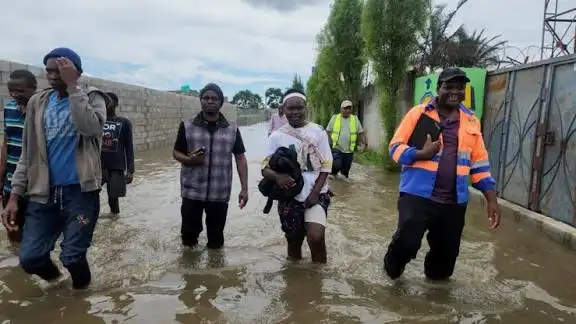
Severe flooding across parts of southern Africa has ed hundreds of people and displaced thousands more, with climate scientists pointing to the combined effects of climate ce and a persistent La Nina weather pattern. Disaster agencies said on January 30 that unusually heavy rainfall overwhelmed rivers and drainage systems in several countries, destroying homes farmland and critical infrastructure.
Researchers explained that warmer global temperatures are intensifying rainfall events, while La Nina conditions are increasing moisture levels over the region. This combination has led to prolonged downpours that communities were not prepared to absorb. Rural areas were particularly hard hit, with washed out roads limiting access for emergency responders and aid deliveries.
Governments across the region have declared states of emergency as humanitarian needs continue to rise. Health officials warned of increased risks of waterborne diseases following contamination of drinking supplies, while food insecurity concerns are growing after crops were submerged or lost.
International relief agencies said the floods highlight the vulnerability of southern Africa to extreme weather and the urgent need for stronger climate adaptation measures. Experts stressed that without investment in resilient infrastructure and early warning systems, similar disasters are likely to become more frequent and deadly.
The floods are among the most severe weather related disasters to affect the region in recent years, reinforcing global warnings about the human cost of accelerating climate ce.










Wow, its crazy how La Nina can impact climate ce! Do you think more action needs to be taken to prevent these deadly floods?
Wow, cant deny the connection between climate ce and La Nina causing havoc. Time for real action, not just words!
Wow, can we really ignore the connection between climate ce and these devastating floods? Time to take action!
Wow, climate ce is no joke! Who knew La Nina could cause such havoc in Southern Africa? Mother Nature is truly unpredictable.
I dont buy the whole climate ce narrative. La Nina has been around forever. Are we just looking for someone to blame?
I dont buy the whole La Nina causing floods theory. Its just natures way of balancing things out. Climate ce? Maybe, but lets not jump to conclusions.
Interesting read, but do you think enough is being done to address these climate ce issues in Southern Africa? Lets discuss!