
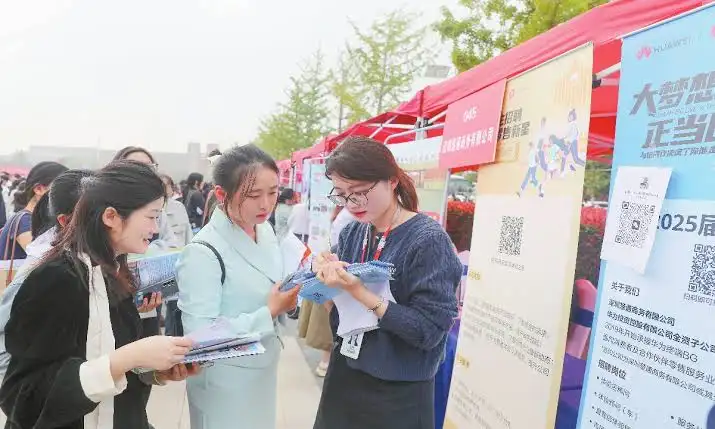
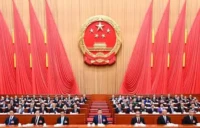
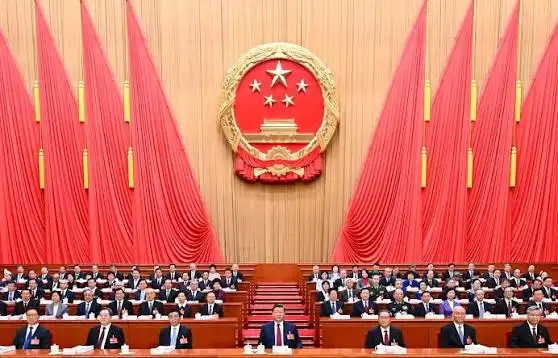
Chinese leaders have pledged to create millions of new urban jobs while continuing a broad program of economic reforms aimed at strengthening long term growth and ility. The commitments were presented during discussions at the annual session of the National People’s Congress in Beijing, where senior officials outlined policy goals designed to sustain employment opportunities and support economic transformation.
Job creation in urban areas remains a key priority for China’s leadership as the country manages the complex process of economic modernization. Cities across China continue to attract workers from rural regions seeking improved opportunities in manufacturing, technology, services, and construction. Government planners view strong employment growth as essential for maintaining social ility and ensuring that economic progress benefits a broad portion of the population.
Officials indicated that several policy initiatives will support the creation of new jobs. Investments in infrastructure, advanced manufacturing, digital technology, and green energy industries are expected to generate large numbers of employment opportunities. These sectors are also seen as important drivers of productivity growth and innovation as China seeks to move further up the global value chain.
President Xi Jinping has repeatedly emphasized the importance of building a modern economic system capable of sustaining long term development. In speeches and policy statements, Chinese leaders have highlighted the need to encourage technological advancement, strengthen domestic industries, and expand consumer demand. These goals are closely connected to employment strategies because dynamic industries typically generate new job opportunities.
The government’s economic reform agenda also includes measures to support small and medium sized enterprises, which play a significant role in job creation. Policymakers have introduced initiatives aimed at improving access to financing, reducing administrative burdens, and fostering a more competitive business environment. Encouraging entrepreneurship and innovation is viewed as a critical step toward expanding employment in emerging sectors.
Urban employment growth has broader implications for China’s economic development. As more workers secure le jobs in cities, household incomes tend to rise, which in turn supports domestic consumption. Strengthening consumer demand has become an increasingly important goal for policymakers seeking to reduce reliance on export driven growth and build a more balanced economic model.
Chinese authorities are also working to ensure that labor market policies address the needs of younger workers entering the workforce. University graduates and technical school students represent a rapidly expanding segment of the labor market, and government programs are designed to help them transition successfully into professional careers. Training initiatives and partnerships with private companies are expected to play an important role in this effort.
International analysts closely watch China’s employment policies because the country’s economic performance has significant global implications. Sustained job creation in China supports industrial output, trade activity, and consumer demand, all of which influence international markets. The commitment to ongoing reforms and urban employment expansion signals Beijing’s intention to maintain steady economic momentum despite global uncertainties.
As the National People’s Congress continues its deliberations, lawmakers will review detailed proposals designed to translate these commitments into practical policy actions. The outcomes of these discussions are expected to shape China’s economic trajectory and labor market conditions in the years ahead.








Leave a comment