
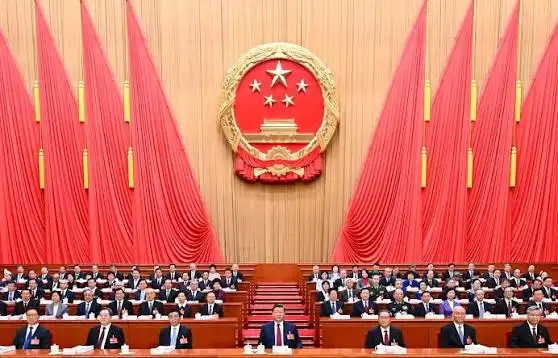
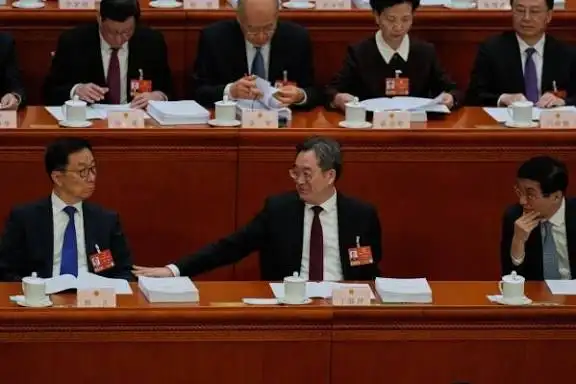
China has opened the latest session of the National People’s Congress in Beijing, marking the start of the country’s most important annual political gathering and setting the stage for major policy discussions on economic management, development priorities, and national governance. The meeting brings together thousands of delegates from across the country and is widely viewed as a key moment for outlining China’s policy direction for the coming year.
The annual session serves as China’s primary legislative forum where government leaders present policy reports, review national development plans, and approve important economic and social initiatives. Delegates representing provinces, cities, and sectors of society gather in the capital to discuss issues ranging from economic growth and employment to technology innovation and international trade. Observers say the gathering provides insight into how Chinese leadership intends to navigate an increasingly complex global environment.
During the opening proceedings, government officials emphasized the importance of maintaining le economic growth while continuing structural reforms aimed at strengthening domestic industries and technological capabilities. China’s economy remains one of the largest in the world, but policymakers face several challenges including slower global demand, shifting supply chains, and evolving trade relationships with other major economies.
Chinese leadership, including President Xi Jinping, is expected to use the legislative session to reinforce national priorities such as economic modernization, industrial development, and improvements to social welfare systems. Analysts note that the government often uses the congress to communicate long term strategic objectives as well as near term economic targets.
Another key aspect of the meeting involves reviewing government work reports presented by senior officials. These reports provide detailed assessments of economic performance during the previous year and outline policy goals for the future. Delegates examine progress in areas such as infrastructure development, urbanization, environmental protection, and employment generation.
International observers closely watch the outcomes of the legislative session because policy decisions made during the congress can have wide ranging implications for global markets. China plays a central role in global manufacturing, trade, and investment flows. As a result, signals about fiscal policy, industrial support programs, and regulatory ces often influence economic expectations well beyond the country’s borders.
The gathering also offers an opportunity for Chinese authorities to highlight domestic policy initiatives designed to strengthen economic resilience. Officials have increasingly focused on boosting domestic consumption, supporting private sector growth, and encouraging innovation in sectors such as advanced manufacturing and digital technology.
Security and geopolitical considerations also form part of the broader discussions surrounding the congress. As global tensions and economic competition intensify, Chinese policymakers are emphasizing the importance of self reliance in critical technologies and strategic industries. This approach reflects a broader effort to protect national development goals in an uncertain international landscape.
The opening of the National People’s Congress signals the beginning of several days of deliberations, committee meetings, and policy announcements. By the end of the session, delegates are expected to approve key economic targets and legislative measures that will shape China’s governance agenda for the year ahead.






Leave a comment