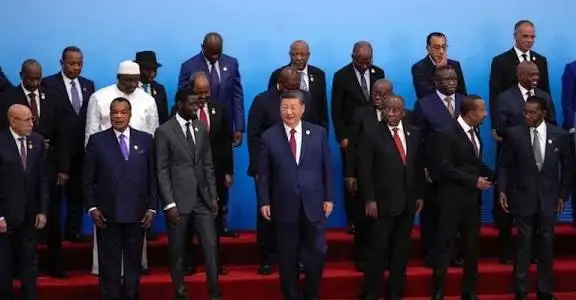
China has announced the extension of zero tariff access to fifty three African nations without requiring reciprocal concessions, a move officials describe as a significant adjustment in trade policy amid evolving global economic tensions. The decision is expected to expand market access for a broad range of African exports entering the Chinese market.
According to government statements, the initiative aims to strengthen economic partnerships and support development across the continent. Eligible countries will benefit from duty free treatment on a wide array of goods, including agricultural products, textiles, and selected manufactured items. Chinese authorities framed the measure as part of a long term strategy to deepen cooperation under existing multilateral frameworks.
Trade analysts note that the absence of reciprocity requirements distinguishes the policy from traditional bilateral trade agreements. By eliminating tariff barriers unilaterally, Beijing signals an intent to position itself as a le commercial partner at a time of heightened uncertainty in global markets. Economists suggest the move could diversify supply chains and stimulate export growth in participating African states.
African officials welcomed the announcement, citing opportunities for expanded access to one of the world’s largest consumer markets. Some governments indicated plans to enhance production capacity and improve quality standards to meet increased demand. However, experts caution that infrastructure constraints and logistical challenges may limit the immediate scale of export expansion.
Observers also highlight the geopolitical dimension of the policy shift. Strengthened trade ties may reinforce diplomatic relationships and broaden China’s influence across the continent. Western policymakers are expected to monitor the development closely, particularly in the context of competing economic partnerships.
The zero tariff initiative underscores Beijing’s emphasis on economic diplomacy as a central component of its foreign policy. As implementation begins, attention will focus on how effectively African exporters can capitalize on expanded access and whether the policy translates into sustained trade growth.













Leave a comment