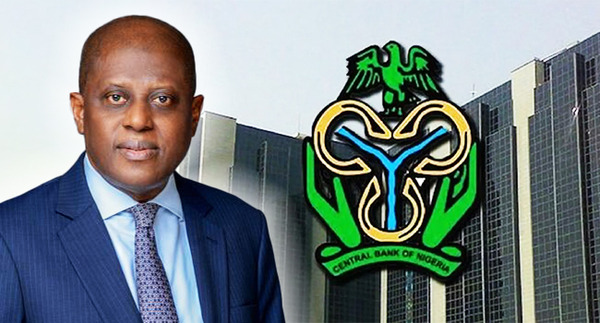
Nigeria’s economy is beginning to show signs of renewed ility, with the Central Bank of Nigeria (CBN) projecting stronger growth, easing inflation and improved external buffers in 2026. In its latest macroeconomic outlook, the apex bank forecast Gross Domestic Product growth of 4.49 per cent, average inflation of 12.94 per cent and external reserves rising to $51.04bn, reflecting the impact of ongoing structural and monetary reforms.
According to the CBN, these projections are underpinned by foreign exce market reforms, improved oil production, fiscal restructuring and enhanced market discipline. The bank also expects lending costs to gradually decline as inflationary pressures ease and monetary conditions begin to loosen.
CBN Governor, Olayemi Cardoso, said the economy has transitioned from crisis containment to reform-driven ilisation. Speaking at the 59th annual Bankers Dinner organised by the Chartered Institute of Bankers of Nigeria, he noted that reforms have helped restore credibility, transparency and policy consistency. He revealed that Nigeria’s economy grew by 4.23 per cent in the second quarter of 2025, the strongest pace in four years, driven by gains in telecommunications, financial services and oil production.
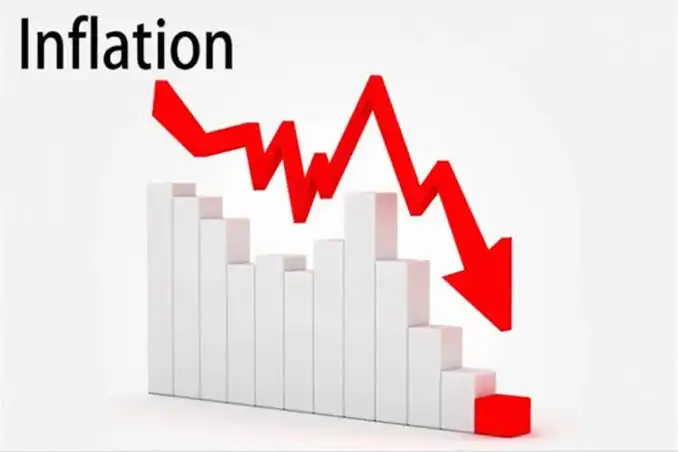
Cardoso added that inflation has moderated significantly, falling from a peak of 34.6 per cent in November 2024 to 14.50 per cent in November 2025, marking eight consecutive months of disinflation. He said the CBN’s models project continued easing in 2026, supported by stronger production, improved FX liquidity and disciplined liquidity management.
The bank also projected a rise in the current account surplus to $18.81bn in 2026, alongside a positive balance of payments position driven by stronger exports, higher remittances and recovering investor confidence. Analysts have welcomed the outlook, noting that a stronger reserves position would give the CBN greater flexibility to ilise the naira.
However, economists caution that the real test lies in translating macroeconomic ility into improved living standards, as poverty and food insecurity remain key challenges despite the reform momentum.








Im not convinced about CBNs optimism. Lets wait and see if the economy truly ilizes or if its just wishful thinking.
Im not convinced about this stronger growth, lower inflation talk. Lets see some real numbers before we start celebrating.
Im not convinced about the projected growth. Weve heard this before. Lets wait and see. Time will tell.
Im not convinced that Nigerias economy is truly ilising. Lets wait and see if these projections actually play out.
Im not convinced about the ility of Nigerias economy. We need to see more concrete evidence of growth and lower inflation.
Im not convinced about the stronger growth projection. The economy is still shaky, lets not get ahead of ourselves.
Im not convinced that the economy is really ilizing. Lets wait and see if these projections actually play out.
Im not convinced about the projected growth. With the current economic challenges, ilizing may be wishful thinking.