Cancer is no longer a distant or rare diagnosis in Nigeria. It is a growing public health emergency silently reshaping families, overwhelming the health system, and exposing critical gaps in prevention, early detection, and access to treatment.
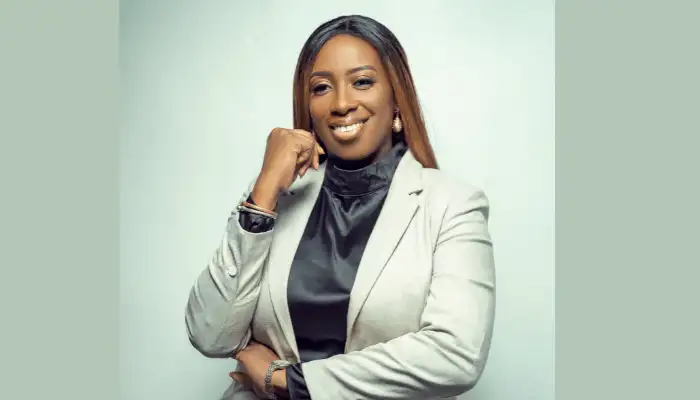
Dr Omolola Salako, a leading oncologist who has treated patients for over two decades, spoke to Good Health Weekly about the realities behind the statistics, the myths endangering lives, and urgent reforms needed to address the crisis. She highlighted that fear, misinformation, and reliance on unverified alternative therapies are contributing to delays in evidence-based treatment, often worsening outcomes.
According to Dr Salako, cancer is never an individual diagnosis—it is a family crisis. Families often lack the knowledge and support needed to help patients navigate the journey, yet their role is crucial for survival. She stressed that prevention is one of Nigeria’s most missed opportunities. Vaccination against HPV for young girls, routine screenings for cervical and breast cancers, and lifestyle interventions could prevent nearly 40 percent of cancers.
The most common cancers in Nigeria include breast, cervical, prostate, colorectal cancer, non-Hodgkin’s lymphoma, and liver cancer. Women are disproportionately affected, accounting for over 60 percent of cases. Environmental factors such as industrial pollution, black soot in the Niger Delta, sedentary lifestyles, and ts high in processed foods and red meat are significant contributors to rising cancer risks.
Dr Salako also warned about the financial burden of cancer care in Nigeria. With limited insurance coverage, families often bear catastrophic out-of-pocket costs, sometimes abandoning treatment midway due to expenses. She emphasized that the country has fewer than 100 clinical oncologists for over 200 million people, with insufficient radiotherapy centers, making access to care a systemic challenge.
Her message to Nigerians is clear: “Cancer may be part of your story, but it does not have to define it. Early detection, prevention, and evidence-based treatment save lives. Fear should not dictate your decisions. You are bigger than cancer.” She advocates for stronger public health education, expanded insurance coverage, and infrastructure investment to reduce preventable deaths and improve outcomes.









Leave a comment