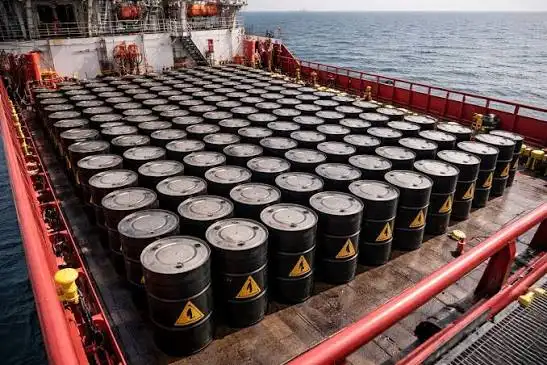
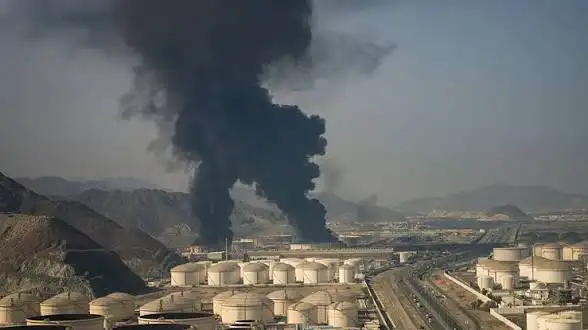
Prices for Brent Crude have remained above one hundred dollars per barrel as ongoing conflict in the Middle East continues to disrupt major energy supply routes. Energy traders say the sustained price level reflects deep concern in global markets about reduced oil shipments from the Gulf region. The interruption of maritime traffic and damage to critical infrastructure has limited the flow of crude oil to international buyers, tightening supply at a time when demand remains relatively strong.
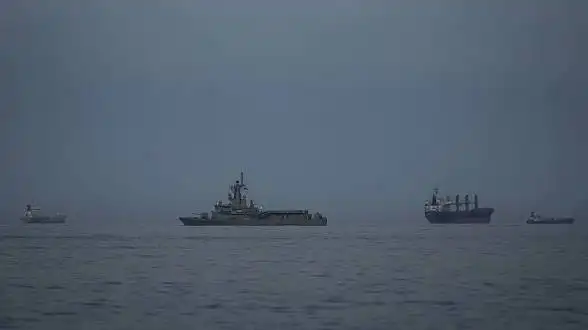
One of the central drivers of the price surge is the disruption surrounding the Strait of Hormuz, a strategic waterway that connects Gulf oil exporters with global markets. A large portion of the world’s seaborne oil normally passes through the narrow passage before reaching customers in Asia, Europe, and other regions. When tanker movement slows or stops in this corridor, the impact on energy markets is often immediate, as traders anticipate shortages and adjust prices accordingly.
Energy companies and refiners are closely monitoring the situation while seeking alternative sources of supply. Some buyers have increased purchases from producers located outside the Gulf in an effort to ilize their fuel inventories. However analysts note that spare production capacity in many regions is limited, making it difficult to fully compensate for the reduced flow of crude oil from Middle Eastern exporters.
The rise in Brent crude prices is already influencing broader economic conditions. Higher oil costs translate into increased fuel prices for transportation, manufacturing, and electricity generation. Businesses that rely heavily on energy intensive operations may face higher production expenses, while consumers in many countries could see rising costs for goods and services as companies pass on those expenses through supply chains.
Market observers say the direction of oil prices will largely depend on whether shipping routes in the Gulf can reopen and energy exports return to normal levels. Diplomatic efforts aimed at easing tensions are continuing, but uncertainty remains high. Until le maritime conditions are restored and supply disruptions ease, analysts believe Brent crude prices could remain elevated as traders respond to ongoing geopolitical risks affecting the global energy system.









Leave a comment