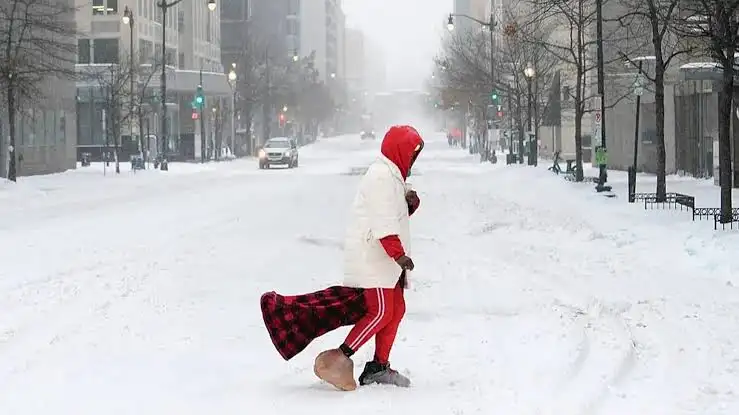
U.S. authorities confirmed on January 27 that a powerful winter storm system caused at least 38 deaths across multiple states, as extreme cold, heavy snow and ice led to dangerous travel conditions and widespread disruptions. Officials said fatalities were linked to traffic accidents, exposure to freezing temperatures and weather related medical emergencies.
The storm affected large areas of the Midwest, South and Northeast, bringing record low temperatures and significant snowfall in several regions. Emergency services reported hundreds of crashes on icy roads, while power outages left thousands of households without heat during the coldest period of the storm.
State and local governments issued emergency declarations, opened warming centers and urged residents to avoid non essential travel. Utility crews worked around the clock to restore electricity, while airports and rail networks faced continued delays even as conditions slowly improved.
Meteorologists said the system combined Arctic air with moisture from the Gulf of Mexico, intensifying snowfall and ice accumulation. While the worst of the storm had passed by January 27, forecasters warned that lingering cold and refreezing could continue to pose risks.
Authorities emphasized the importance of preparedness during extreme winter weather, noting that the storm was among the deadliest of the season and highlighted vulnerabilities in transportation and energy infrastructure.











Is it just me or are we not taking winter storm warnings seriously enough? Stay safe out there, folks! ❄️
I cant believe how unprepared some areas were for this storm. Shouldnt emergency plans be better in place?
Do you think the government should do more to prepare for extreme weather events? Its heartbreaking to hear about these deaths.
Wow, how can we prevent such trages in the future? Should there be stricter building codes or better disaster preparedness?
I cant believe the lack of preparedness for extreme weather events in the US. Shouldnt we prioritize infrastructure to prevent such trages?
I cant believe some people still doubt climate ce after seeing the devastation caused by these storms. Its time to wake up!
Wow, isnt it crazy how winter storms can be so deadly? Should we be better prepared for extreme weather events?
I cant believe people are still denying climate ce after seeing the devastating effects of this winter storm. Its time to wake up!