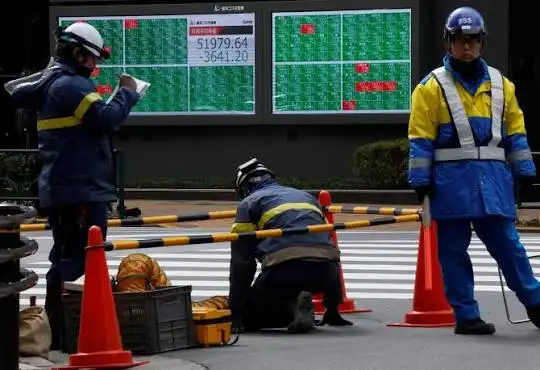
Major equity markets across Asia declined sharply during trading sessions on Monday as investors reacted to mounting geopolitical friction and energy supply concerns. Broad selloffs swept technology, manufacturing, and financial sectors, reflecting risk aversion among institutional and retail participants. Analysts said uncertainty surrounding regional security and commodity flows weighed heavily on sentiment throughout the day for many participants.
Benchmarks in Tokyo, Hong Kong, Seoul, and Mumbai recorded notable percentage losses, with trading volumes rising as portfolios were repositioned. Currency movements added pressure, while bond yields fluctuated amid shifting expectations about policy responses. Market strategists observed defensive rotations into utilities and consumer staples as volatility gauges climbed across regional bourses throughout the session according to dealers nationwide.
Energy linked companies faced intensified selling as crude benchmarks remained elevated, reinforcing concerns about input costs and profit margins. Export oriented firms also retreated on fears that shipping disruptions and insurance premiums could hinder trade flows. Semiconductor manufacturers, often viewed as regional bellwethers, mirrored the downturn despite resilient longer term demand projections from several market research groups recently.
Investors tracked diplomatic developments closely, parsing official statements for signals that tensions might ease or broaden. Asset managers reported heightened client inquiries and faster portfolio adjustments, emphasizing capital preservation. Derivatives activity expanded as hedging demand increased, pushing options pricing higher and reinforcing expectations of continued turbulence across interconnected financial systems in coming sessions analysts said cautiously to clients.
Central banks in several economies signaled readiness to monitor liquidity conditions and currency pressures, though immediate interventions appeared unlikely. Economists noted that synchronized tightening cycles limited policy flexibility, complicating responses to external shocks. Government officials emphasized contingency planning, including coordination with regulators and major lenders to safeguard payment systems and credit channels during periods of acute stress ahead.
Regional funds experienced net outflows while some global investors sought perceived safe haven assets. Gold prices firmed and the United States dollar strengthened against several Asian currencies, reflecting cautious positioning. Traders said algorithmic strategies amplified intraday swings, as automated selling thresholds were triggered repeatedly during volatile trading intervals across major indices and sector trackers through the trading day.
Market participants will continue assessing geopolitical developments, corporate earnings guidance, and policy communication for directional cues. Analysts expect sensitivity to headlines to remain elevated, encouraging diversified allocations and disciplined risk management. While volatility may persist, long term investors are advised to evaluate fundamentals and avoid reactive decisions driven by short term sentiment amid uncertain cross border conditions globally.












Leave a comment