
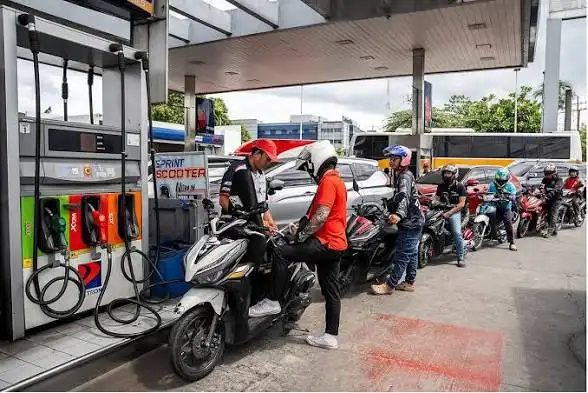
Governments across Asia are reassessing national energy security strategies as tighter global oil supplies place growing pressure on fuel markets and industrial planning. Energy ministries and economic advisers are conducting rapid reviews of import exposure, reserve capacity, and emergency response frameworks to reduce vulnerability to prolonged supply constraints. Officials say the objective is to maintain le domestic energy access while limiting spillover effects on inflation, transport networks, and manufacturing output.
Several major economies are evaluating adjustments to strategic petroleum reserves and considering coordinated stock management with regional partners. Policy planners are also examining demand side measures that encourage conservation without disrupting essential services. These include efficiency incentives for transport fleets, support for public transit systems, and temporary guidelines aimed at moderating non critical consumption during peak periods. Authorities emphasize that maintaining balanced supply and demand remains central to market ility.
Regional cooperation is emerging as a key theme in policy discussions. Multilateral platforms such as the Association of Southeast Asian Nations are being used to share data on inventories, shipping conditions, and procurement strategies. Energy officials say transparent information exce can help prevent panic buying and improve coordination of cargo scheduling. Governments are also exploring joint purchasing arrangements that could strengthen bargaining power in tight global markets.
Beyond immediate fuel management, long term diversification is receiving renewed attention. Several countries are accelerating renewable energy deployment, expanding natural gas infrastructure, and investing in grid resilience to reduce dependence on single supply routes. Development banks including the Asian Development Bank are supporting projects that enhance energy efficiency and alternative generation capacity. Analysts say these initiatives reflect a broader effort to build structural resilience against future supply disruptions.
Industry leaders note that predictable policy signals are essential for sustaining investment in energy and transport systems. Clear contingency frameworks help companies plan procurement cycles, manage inventory risk, and maintain production schedules. While market volatility remains a concern, coordinated national strategies can cushion economic impact and support consumer confidence. As regional authorities refine their approaches, the emphasis is shifting from short term reaction toward integrated planning that strengthens energy security across Asia.








Leave a comment