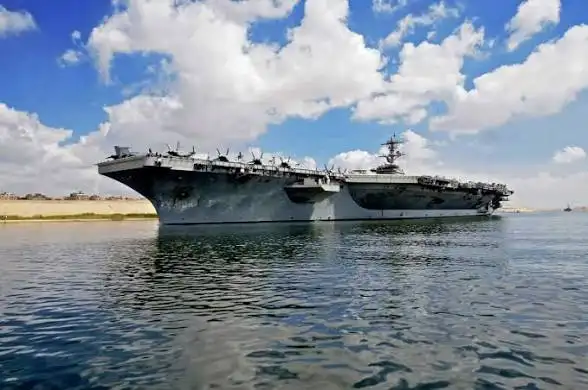
Several governments have expressed hesitation regarding a proposal from Washington that encourages international naval deployments to safeguard shipping through the Strait of Hormuz. Diplomatic sources indicated that while many countries share concerns about maritime security in the Gulf region, some remain cautious about committing military assets to an operation that could deepen regional tensions. Discussions between allied capitals have continued as policymakers assess the strategic, economic, and political implications of joining such an initiative.
Officials in multiple countries acknowledged the importance of protecting global trade routes that pass through the narrow waterway connecting the Gulf to international markets. The Strait of Hormuz carries a substantial share of global oil shipments as well as a wide range of commercial goods traveling between Asia, Europe, and other major trading regions. Despite recognizing the economic significance of the route, several governments said any decision involving naval participation would require careful evaluation of potential risks.
Diplomats familiar with the discussions noted that some nations are concerned about the possibility that a visible buildup of naval forces could intensify tensions across the Gulf region. Policymakers in those countries are instead exploring alternative approaches that could improve maritime safety while maintaining diplomatic channels. Options under consideration include intelligence sharing, expanded monitoring of commercial traffic, and support for international mediation efforts aimed at easing regional friction.
Energy markets and shipping industries are closely watching the outcome of these deliberations. Companies that operate large tanker fleets rely on consistent access to the Strait of Hormuz to transport crude oil and other commodities to global buyers. Industry analysts say uncertainty about security conditions in the area has already influenced shipping insurance costs and route planning decisions among logistics firms and maritime operators.
International observers suggest that the differing responses from allied governments highlight the complex balance between economic security and geopolitical caution. While many countries acknowledge the strategic importance of maintaining open sea lanes, leaders must also consider domestic political considerations and long term diplomatic priorities. The evolving debate illustrates how global powers are weighing their roles in addressing maritime challenges linked to broader regional tensions.










Leave a comment