
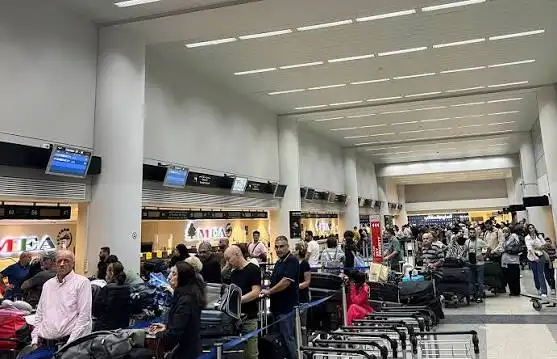
Airlines across the region canceled additional flights as escalating tensions disrupted air corridors and raised operational risk assessments. Carriers cited airspace restrictions, insurance considerations, crew availability, and passenger safety while adjusting schedules. Travelers faced rolling advisories, rebooking queues, and altered connections as airport authorities coordinated traffic flows and contingency planning with national regulators and security agencies nationwide today.
Industry groups including the International Air Transport Association said carriers are prioritizing predictable operations and transparent communication. The Middle East network saw reroutings around sensitive zones, longer flight paths, and tighter turnaround windows. Airlines updated customer policies, waiving ce fees and expanding support desks to manage surging inquiries efficiently across major hubs and regional gateways each day for affected passengers globally.
Airports in Dubai and across the United Arab Emirates reported schedule compression as departure banks shifted. Ground handlers synchronized gate assignments, fueling slots, and crew rotations to reduce knock on delays. Authorities emphasized safety protocols, slot coordination, and real time information sharing with airlines to sustain orderly passenger processing during peak periods and irregular operations phases locally today.
Carriers serving Doha and wider Qatar adjusted fleet deployment, substituting aircraft types and consolidating frequencies on core routes. Network planners balanced connectivity with capacity discipline, aiming to protect long haul banks. Customer teams expanded multilingual outreach, guiding travelers through options, refund processes, and accommodation support during disruptions across alliance partners and codeshare agreements worldwide where feasible operationally now.
Travel insurers revised advisories and coverage terms, reflecting route variability and overnight diversions. Corporate travel managers reassessed itineraries, prioritizing essential trips and flexible tickets. Tourism boards coordinated messaging to minimize confusion while hotels prepared for extended stays. Payment networks monitored transaction flows as passengers navigated rebookings, ancillary purchases, and cross border settlements amid shifting operational constraints regionwide today.
Regulators convened coordination calls with airlines, airports, and air navigation providers to harmonize notices and contingency plans. Meteorological services contributed forecasts supporting alternate routing decisions. Security agencies shared risk assessments guiding airspace management. Industry technology platforms distributed updates through standardized feeds, enabling consistent timetables, crew legality checks, and passenger notifications across interconnected reservation and departure control systems globally.
Analysts said prolonged disruptions could influence yields, capacity planning, and alliance scheduling strategies. They urged proactive communication and scenario testing to preserve resilience. Consumer advocates encouraged clear refund pathways and care standards. Observers concluded that coordinated diplomacy and aviation safeguards remain essential to sustain connectivity and traveler confidence during evolving regional conditions for airlines and passengers alike worldwide.











Leave a comment