
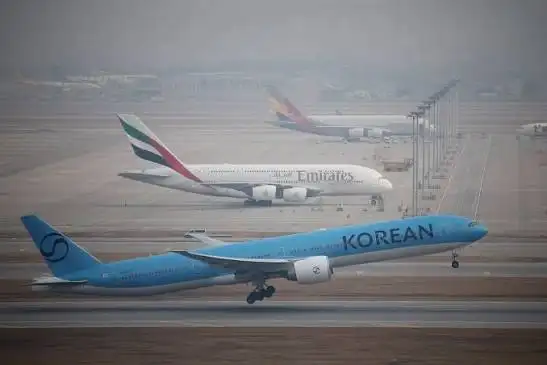
Airline shares across Asia declined as rising fuel costs triggered concern among investors about the financial outlook for the aviation sector. The sudden surge in global oil prices, driven by the ongoing conflict in the Middle East, has increased operating expenses for carriers that depend heavily on jet fuel. Market analysts said the sharp rise in energy costs immediately placed pressure on airline valuations because fuel represents one of the largest expenses for the industry.
Trading sessions across major Asian financial centers reflected the growing unease among investors. Shares of several prominent carriers fell as traders reacted to projections that operating margins could narrow if high oil prices persist. Airlines in countries such as Japan, South Korea, and India saw noticeable declines as investors recalibrated expectations for profitability in the months ahead. The aviation sector often reacts quickly to energy price movements because fuel expenditures can significantly influence ticket pricing and overall financial performance.
Industry experts explained that airlines typically attempt to manage fuel risk through hedging strategies that lock in prices ahead of time. However these protections only last for limited periods and cannot fully shield companies when global energy markets experience rapid and sustained increases. As a result airline executives must often adjust ticket prices, reduce capacity on certain routes, or modify operational plans to cope with higher fuel costs. Investors are therefore watching closely to see how carriers respond if the current energy surge continues.
The impact extends beyond airline balance sheets because aviation plays a crucial role in global tourism and business travel. Higher fuel costs can lead to more expensive airfares which may influence travel demand, especially for leisure passengers. Tourism dependent economies in Asia are paying close attention to the situation since international travel has been an important driver of economic recovery in recent years. Any sustained increase in transportation costs could affect visitor numbers and related industries such as hotels, restaurants, and retail services.
Financial analysts emphasize that the aviation sector is highly sensitive to geopolitical developments that influence energy markets. If oil prices remain elevated airlines may face continued pressure from both operating costs and investor expectations. However some market observers note that demand for air travel remains relatively strong, which could help cushion the industry if companies manage expenses effectively. For now the decline in airline shares across Asia reflects broader uncertainty in financial markets as energy costs climb and geopolitical tensions continue to shape the global economic outlook.












Leave a comment