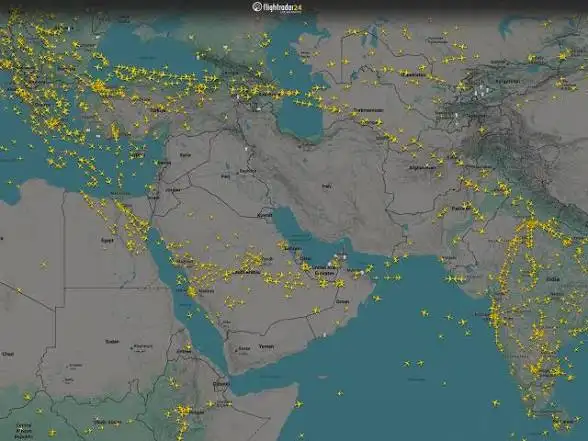
International airlines have begun suspending flights to and from parts of the Middle East as escalating regional tensions create growing uncertainty for the aviation sector. Several major carriers announced temporary route cancellations, citing safety concerns and the need to protect passengers and crew. The decisions have led to widespread travel disruptions, affecting both commercial and cargo operations across key global hubs.
Airlines are closely monitoring airspace conditions as reports of heightened military activity raise concerns about flight safety. Aviation authorities in multiple countries have issued advisories urging caution, with some recommending that airlines avoid specific flight corridors. These measures have resulted in longer travel times for certain routes, as aircraft are redirected through alternative airspace to minimize risk exposure.
Passengers have faced delays, cancellations, and rerouting, with airports in the region experiencing fluctuating levels of activity. Travel companies are working to accommodate affected customers, though the situation remains fluid. Industry experts note that prolonged disruptions could have a cascading effect on global aviation schedules, particularly during periods of high demand for international travel.
The economic impact of the suspensions is also becoming evident, as airlines contend with increased operational costs and potential revenue losses. Cargo transport has been particularly affected, with delays in shipments impacting supply chains that rely on timely delivery. Businesses dependent on air freight are adjusting logistics plans to cope with the evolving conditions.
Despite the challenges, aviation authorities and international organizations continue to emphasize coordination and information sharing to ensure safety. Airlines have indicated that operations will resume once conditions are deemed secure, though no clear timeline has been elished. The situation underscores the vulnerability of global air travel to geopolitical developments and the importance of maintaining flexible response strategies in times of uncertainty.












Leave a comment