
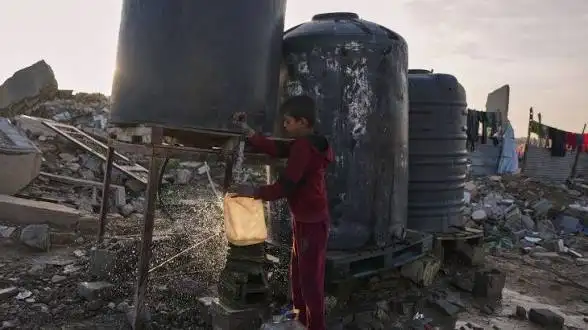
Humanitarian organizations issued urgent warnings about deteriorating conditions across multiple conflict affected regions, citing growing needs among vulnerable populations. Aid officials reported that access to essential services such as food, healthcare, and clean water was becoming increasingly limited. They emphasized that without immediate and sustained support, the situation could escalate further, placing millions of people at heightened risk.
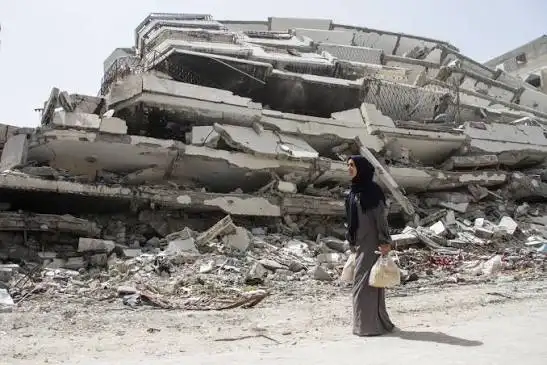
Field reports indicated that displacement levels continued to rise as families moved in search of safety and basic necessities. Temporary shelters faced overcrowding, while shortages of supplies created additional strain on relief efforts. Aid workers described difficult operating environments, where limited access and logistical barriers hindered the consistent delivery of assistance to communities in urgent need of support.
Healthcare services were under severe pressure as facilities struggled to accommodate increasing numbers of patients. Medical teams reported shortages of critical equipment and medications, complicating efforts to provide adequate care. Concerns also grew over the potential spread of disease in densely populated shelters, where sanitation infrastructure remained insufficient to meet the demands of expanding displaced populations.
Food security emerged as a major concern, with disruptions to supply chains affecting the availability and affordability of basic commodities. Aid agencies noted that rising prices and reduced access to markets were contributing to worsening nutrition levels, particularly among children and vulnerable groups. Emergency food distribution programs were being expanded, though resources remained limited relative to growing demand.
Water and sanitation challenges further compounded the crisis, as damaged infrastructure restricted access to clean drinking water. Relief teams worked to elish temporary systems, including water trucking and purification initiatives, to mitigate immediate risks. However, experts warned that long term solutions would require significant investment and ility to rebuild essential services across affected regions.
International organizations called on the global community to increase funding and political support for humanitarian operations. Appeals highlighted the need for coordinated action to address both immediate relief requirements and longer term recovery planning. Donor contributions were described as critical to sustaining ongoing programs and ensuring that assistance reaches those most in need without interruption.
Observers stressed that addressing the humanitarian situation would depend on improved access, sustained funding, and broader efforts to reduce tensions. While aid agencies continued to operate under challenging circumstances, they emphasized the importance of maintaining focus on civilian needs. The situation remained fluid, underscoring the urgency of collective action to prevent further deterioration in affected communities.






Leave a comment