
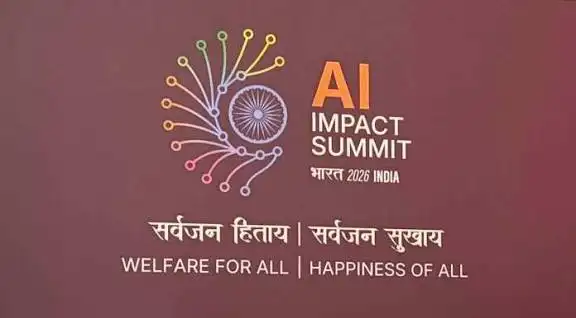
The AI Impact Summit 2026 concluded in New Delhi after several days of discussions involving policymakers, technology leaders, academics, and civil society representatives from around the world. The conference focused on responsible artificial intelligence development, ethical governance, and strategies for harnessing innovation to address global challenges.
Participants examined how AI systems are reshaping industries including healthcare, education, finance, and public administration. Panel sessions addressed issues such as data privacy, algorithmic bias, and the need for transparent regulatory frameworks. Speakers emphasized that rapid technological advancement must be matched by robust oversight mechanisms.
Indian government officials highlighted the country’s expanding digital infrastructure and ambitions to position itself as a leader in emerging technologies. They underscored the importance of international collaboration in setting standards that balance innovation with public trust.
Delegates from multiple continents shared case stus illustrating how AI tools are being deployed to improve agricultural productivity, streamline logistics, and enhance disaster response. However, concerns were raised about potential job displacement and unequal access to technological benefits.
Industry executives called for harmonized regulations that avoid fragmentation across jurisdictions. They argued that predictable policy environments encourage investment while protecting users from misuse.
Academic researchers stressed the need for interdisciplinary approaches that integrate technical expertise with social sciences. They warned that without inclusive dialogue, AI adoption could exacerbate existing inequalities.
The summit concluded with a joint statement encouraging continued cooperation among governments and private sector stakeholders. Organizers described the event as a platform for building consensus around shared principles.
As nations race to adopt advanced technologies, the discussions in New Delhi reflected a broader recognition that governance frameworks must evolve alongside innovation to ensure that artificial intelligence serves the public good.












Leave a comment