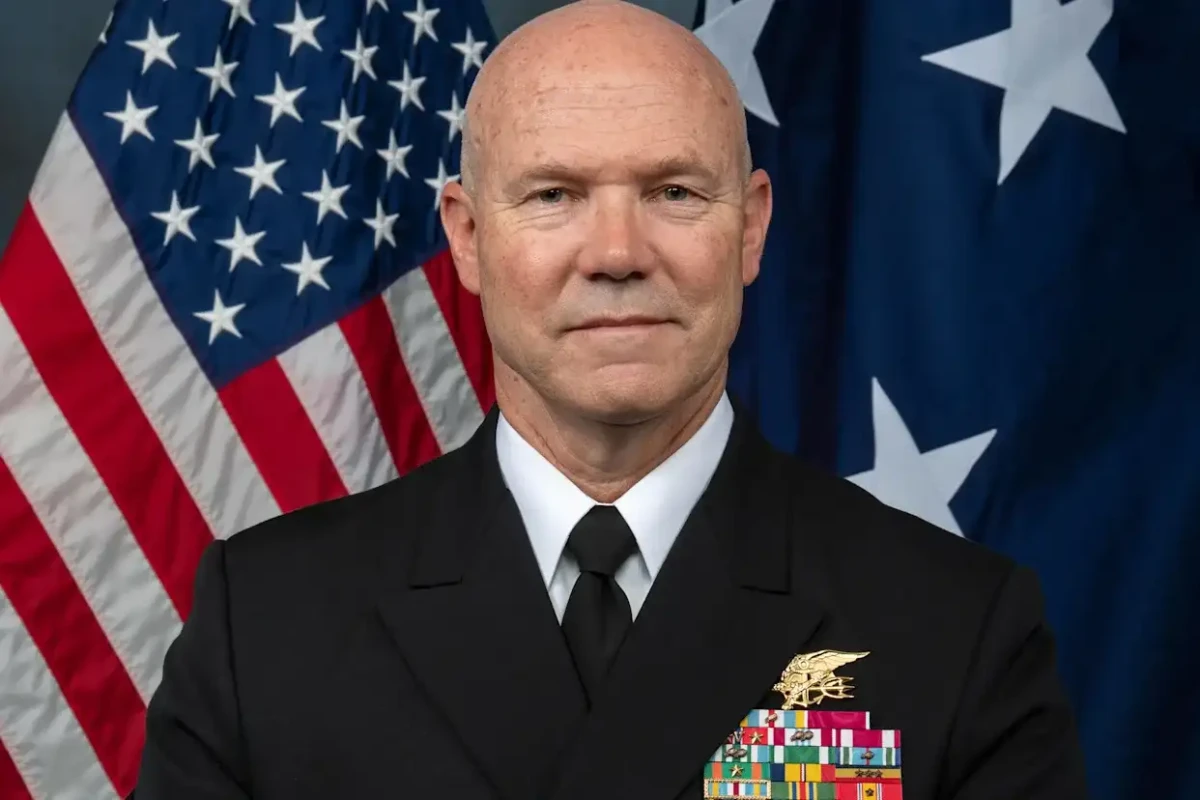
In a recent congressional briefing, Navy Admiral Frank “Mitch” Bradley addressed a controversial U.S. military strike on a suspected drug-trafficking vessel near Venezuela that occurred on September 2, 2025. This operation led to the boat’s destruction and the deaths of two survivors clinging to the wreckage. Admiral Bradley clarified that Defense Secretary Pete Hegseth did not issue a generalized “ them all” order for a second strike, emphasizing the directive was specific, countering previous reports suggesting a command for total annihilation.
This incident has raised significant concern among lawmakers. Democratic representatives, like Rep. Jim Himes, expressed deep distress over footage of the second strike, calling it one of the most troubling moments of his career. Himes was particularly impacted by the sight of two individuals in distress, lacking any means of escape, who were subsequently ed by U.S. forces.
On the other hand, Republican lawmakers, including Sen. Tom Cotton, defended the operation, arguing that the survivors remained legitimate targets due to the ongoing drug smuggling. Cotton reinforced that Admiral Bradley confirmed there was no directive to all individuals aboard.
The incident is situated within a broader context of the Trump administration’s intensified campaign against drug trafficking, which has involved over 20 strikes resulting in more than 80 fatalities among alleged drug smugglers. This aggressive approach has sparked debates regarding its legality and adherence to international warfare laws, with lawmakers demanding increased transparency, including the release of video evidence and legal justifications for the operations. As investigations proceed, the ethical implications of such military actions continue to provoke contentious discussions in U.S. politics.













Is this a case of misunderstanding or a serious issue? Lets dive deeper into the Admirals side of the story.
Seems fishy to me, why would an admiral give such a directive? Soing doesnt add up here. 🤔
I cant believe the audacity of the Admiral denying those allegations! Who do they think theyre fooling? Soing fishy is definitely going on here.
I cant believe theyre denying the directive! Soing fishy is going on here, and Im not buying it. Time to investigate further.
Is it just me or does this whole situation sound fishy? Like, seriously, who even comes up with an eliminate everyone directive? Sounds like a movie plot gone wrong.
I cant believe the audacity of those allegations! Lets wait for the investigation results before jumping to conclusions.
Is the Admiral telling the truth or just covering up? 🤔 Lets dig deeper into this Eliminate Everyone directive controversy.