

Two weeks after Nigeria’s Minister of Power, Adebayo Adelabu, assured citizens of improved electricity supply, many Nigerians across the country say the situation remains largely unced, with persistent outages continuing to disrupt daily life.
Adelabu had apologised in March for widespread blackouts, attributing the crisis to gas supply constraints and technical challenges, while promising noticeable improvements within two weeks. However, that deadline has passed with little evidence of nationwide progress, as residents in cities such as Abuja, Lagos, Owerri, and Akure report erratic or near total power supply.
In several communities, electricity remains inconsistent, with some areas receiving only a few hours of supply daily, while others experience blackouts lasting days or even weeks. The situation has fueled frustration among households and businesses already struggling with rising costs and extreme weather conditions.
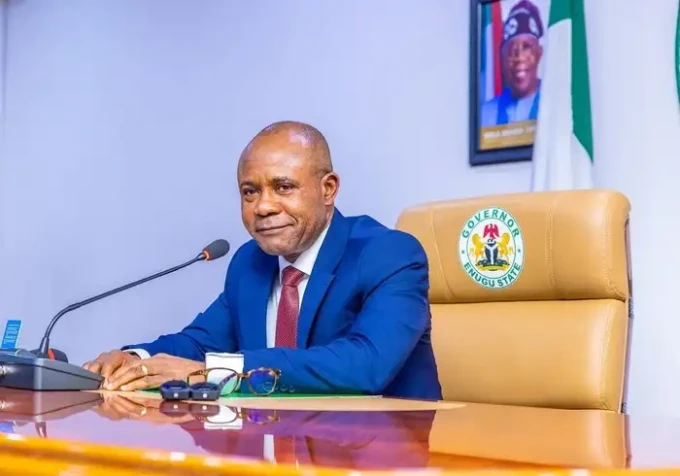
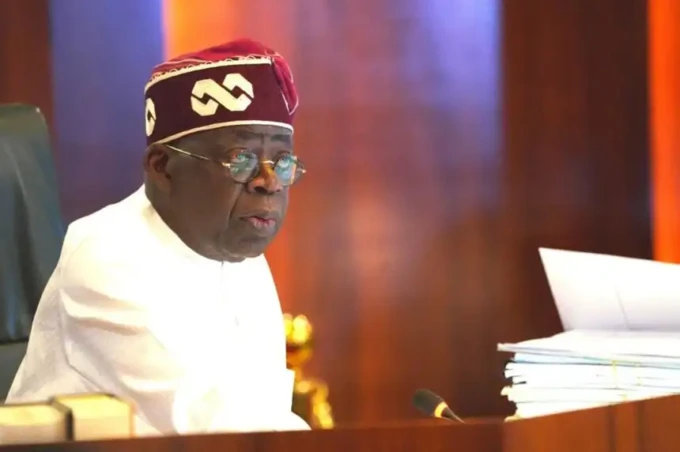
Meanwhile, the recent approval by Bola Tinubu of N3.3 trillion to settle longstanding debts in the power sector has drawn mixed reactions. While some stakeholders view it as a step toward ilising the industry, others question its credibility, noting that similar announcements have been made in the past with limited impact.
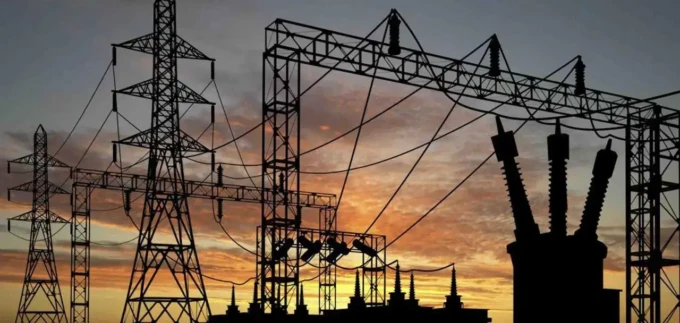
Nigeria’s electricity generation continues to hover around 4,000 megawatts, far below what is required for a population exceeding 200 million. As a result, many citizens rely heavily on alternative energy sources such as generators, solar systems, and inverters, significantly increasing their cost of living.
Experts warn that the country loses trillions of naira annually due to unreliable power supply, with businesses and households bearing the burden of self generated electricity. Structural challenges, including tariff issues, weak infrastructure, and liquidity constraints, continue to hinder meaningful progress in the sector.
Despite government assurances that improvements are underway, public confidence appears to be waning. For many Nigerians, the power crisis remains a daily reality, underscoring the urgent need for sustainable and transparent reforms in the electricity sector.







Leave a comment