
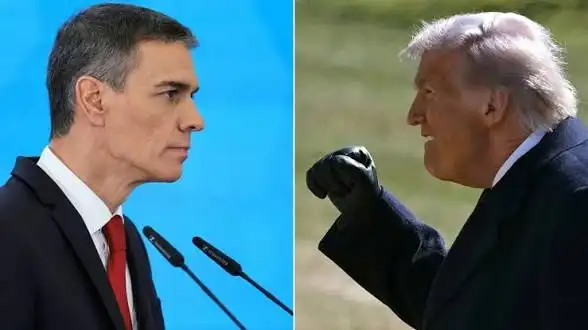
Spain has announced that it will not participate in military operations linked to the United States led confrontation with Iran, signaling a cautious approach that prioritizes diplomatic engagement over direct involvement in escalating regional tensions. The decision reflects Madrid’s assessment of the risks associated with further militarization and its preference for multilateral dialogue in addressing complex international disputes.
Government officials emphasized that Spain remains committed to international law and collective security frameworks, but does not support expanding military action in the current context. Leaders highlighted the importance of restraint and underscored the need for coordinated diplomatic efforts to reduce tensions, warning that additional force could deepen divisions and prolong uncertainty across the Middle East region.
The announcement has drawn varied reactions from allies within Europe and beyond, with some expressing understanding of Spain’s position while others continue to advocate for stronger unified responses. Analysts note that differing national strategies illustrate the broader challenge of achieving consensus among Western partners when confronting multifaceted geopolitical crises involving security, energy, and regional ility considerations.
Spain’s stance also reflects domestic political dynamics, where public opinion has shown sensitivity toward overseas military commitments, particularly in volatile regions. Policymakers have sought to balance alliance obligations with national priorities, reinforcing a foreign policy approach that emphasizes diplomacy, humanitarian support, and engagement through international institutions rather than direct military participation in conflicts.
Within the European Union, discussions are ongoing regarding a coordinated response to the unfolding situation, with member states weighing options that range from sanctions and diplomatic initiatives to defensive security measures. Spain’s decision adds to the diversity of perspectives shaping the bloc’s collective approach as it navigates complex relationships with both the United States and Middle Eastern partners.
Security experts suggest that Spain’s choice may influence broader strategic calculations by highlighting alternative pathways for engagement that do not rely on military intervention. They argue that such positions can contribute to maintaining diplomatic space, even as tensions remain high and the risk of escalation continues to concern policymakers and international observers alike.
As developments continue, Spain has reiterated its willingness to support efforts aimed at de escalation and conflict resolution through dialogue and cooperation. Officials stress that sustainable outcomes will depend on inclusive negotiations and respect for international norms, positioning the country as an advocate for diplomacy during a period marked by heightened geopolitical uncertainty and competing strategic interests.










Leave a comment