
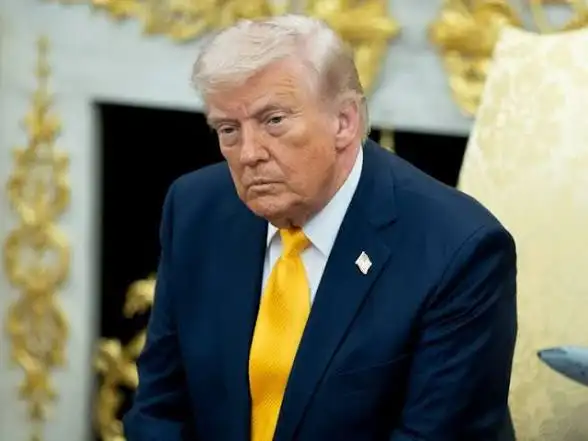
Former United States President Donald Trump has indicated a willingness to bring the ongoing conflict with Iran to an end without requiring the reopening of the strategically vital Strait of Hormuz, a shift that could reshape diplomatic calculations and economic expectations tied to global energy flows. His comments introduce a nuanced position within an already complex geopolitical environment drawing widespread attention.
Speaking in a recent policy discussion, Trump suggested that a resolution could be achieved through alternative arrangements that address core security concerns while avoiding immediate reliance on the maritime corridor, which has faced disruptions during the confrontation. He framed the idea as a pragmatic pathway that could reduce tensions while maintaining leverage in ongoing strategic negotiations between involved parties.
The Strait of Hormuz remains one of the most critical energy transit routes in the world, and any suggestion of sidelining it in a resolution has sparked debate among analysts who question the feasibility of sustaining global supply chains without its full operational capacity. Experts highlight the intricate balance between economic necessity and geopolitical strategy that defines the current situation.
International stakeholders have responded cautiously, with several governments acknowledging the potential for creative diplomatic solutions while stressing the importance of ensuring ility in energy markets and maritime security. Discussions within multilateral forums have intensified as officials seek to understand the broader implications of any agreement that might diverge from traditional expectations tied to the shipping route.
Energy markets have shown mixed reactions, reflecting uncertainty over how such a proposal would affect supply distribution and pricing structures. Traders and industry leaders are closely monitoring developments, recognizing that even the perception of a shift in policy direction can influence investment decisions and long term planning across the oil and gas sector worldwide.
Within diplomatic circles, the proposal has sparked renewed interest in exploring unconventional frameworks for conflict resolution, though skepticism remains regarding the willingness of all parties to compromise on deeply rooted strategic interests. Observers note that successful implementation would require careful coordination and assurances that extend beyond immediate political considerations into sustained regional cooperation.
As discussions continue, the notion of ending the conflict without reopening a key maritime artery underscores the evolving nature of geopolitical strategy in a rapidly cing global landscape. Analysts emphasize that flexibility and innovation may play increasingly important roles in shaping outcomes, though the path forward remains uncertain amid ongoing tensions and competing priorities.







Leave a comment