
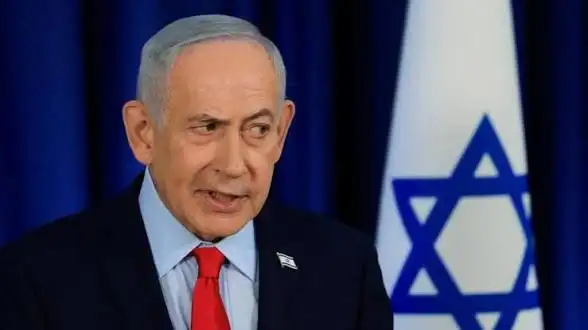
Israeli Prime Minister Benjamin Netanyahu declared that the ongoing conflict with Iran has moved beyond the halfway stage, signaling a prolonged and uncertain trajectory for the confrontation that continues to shape regional dynamics and global attention across diplomatic, military, and economic spheres. Officials emphasized strategic patience while acknowledging mounting pressures from allies and domestic aunces alike at present.
Speaking during a televised briefing, Netanyahu outlined recent operational progress and suggested that key objectives are being odically pursued despite resistance from Iranian forces and affiliated groups operating across multiple fronts in the Middle East region. He noted coordination with defense partners and highlighted intelligence driven planning guiding continued missions forward as tensions remain elevated across surrounding areas.
The remarks come amid heightened regional anxiety as neighboring countries monitor developments closely, concerned about potential spillover effects that could disrupt economic activity, energy flows, and civilian life throughout the broader Gulf and Levant corridors. Diplomatic channels remain active though progress appears limited as competing narratives shape international responses and strategic calculations in evolving and complex geopolitical landscape.
Military analysts suggest that the characterization of a midpoint may reflect both operational confidence and messaging aimed at maintaining domestic support while signaling resolve to adversaries, particularly as the pace of engagements and strategic positioning continues to evolve. Experts caution that such assessments can shift quickly depending on developments and unforeseen escalatory triggers across theaters in coming weeks.
International observers have responded with a mix of concern and urgency, urging restraint while calling for renewed diplomatic initiatives to prevent further deterioration of relations that could draw additional actors into the confrontation and complicate prospects for de escalation. Several governments have intensified consultations and emphasized humanitarian considerations amid growing uncertainty across affected regions and global markets today.
Within Israel, public discourse reflects a combination of resilience and concern, as citizens follow developments closely while adapting to security measures and disruptions linked to the ongoing situation, with officials reiterating commitments to national defense and long term strategic goals. Community leaders have encouraged vigilance and unity while institutions continue operating under adjusted conditions across cities and towns.
As the conflict progresses, the absence of a clear timeline for resolution continues to weigh on international planning and economic forecasting, with stakeholders watching closely for signals that could indicate either a pathway toward negotiations or a further intensification of hostilities in the region. Analysts note that signals leadership sides will play a role in shaping next steps.





Leave a comment