
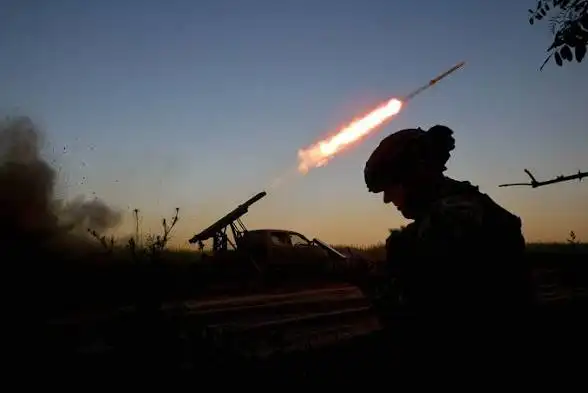
Heightened military activity across multiple regions is drawing increasing concern from global observers who warn of a potential widening of international confrontation. Movements of forces, expanded operations, and heightened alert levels have been reported in several strategic areas, prompting governments and analysts to assess the risks of miscalculation and unintended escalation in an already tense geopolitical environment worldwide.
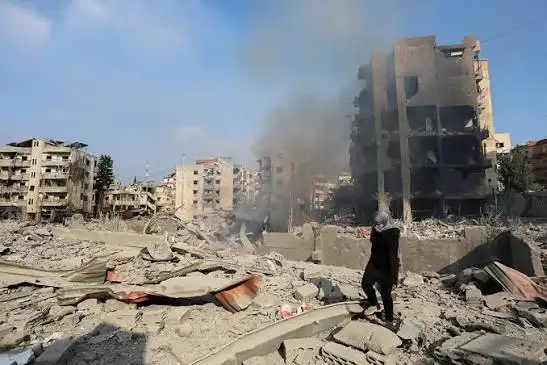
In the Middle East, continued operations involving regional actors have intensified focus on the possibility of spillover beyond immediate conflict zones. Neighboring countries are closely monitoring developments while reinforcing defensive measures. The presence of external powers in the region further complicates the situation, as overlapping interests and alliances create a fragile balance that could shift rapidly under pressure.
Elsewhere, increased military readiness in parts of Europe and Asia reflects broader global unease. Defense officials in multiple nations have cited the need for preparedness in response to evolving threats. Joint exercises, troop deployments, and enhanced surveillance efforts are being expanded, signaling a cautious approach aimed at deterrence while acknowledging the fluid and unpredictable nature of current security challenges.
Diplomatic channels remain active, with international organizations and regional blocs working to encourage dialogue and reduce tensions. However, progress has been uneven as competing strategic priorities hinder consensus. Efforts to elish de escalation mechanisms are ongoing, though observers note that sustained political will is required to translate discussions into meaningful outcomes that can ilize the situation effectively.
Economic implications are also becoming increasingly apparent as uncertainty influences investment decisions and trade flows. Markets tend to react swiftly to signs of escalating tensions, with sectors tied to defense, energy, and transportation particularly sensitive. Analysts warn that prolonged inility could weigh on global growth prospects, especially if disruptions begin to affect major supply chains and financial systems.
Humanitarian considerations are an additional concern as populations in affected regions face potential displacement and resource shortages. International aid agencies are preparing for possible increases in demand, emphasizing the importance of early planning and coordination. The broader human cost of conflict remains a central issue in discussions among policymakers and global institutions seeking to prevent further deterioration.
As military activity continues to evolve, the international community faces a critical period of decision making. The balance between deterrence and diplomacy will likely shape the trajectory of events in the coming months. Observers emphasize that careful coordination and sustained engagement will be essential in preventing further escalation and maintaining a degree of global ility amid growing uncertainty.










Leave a comment