
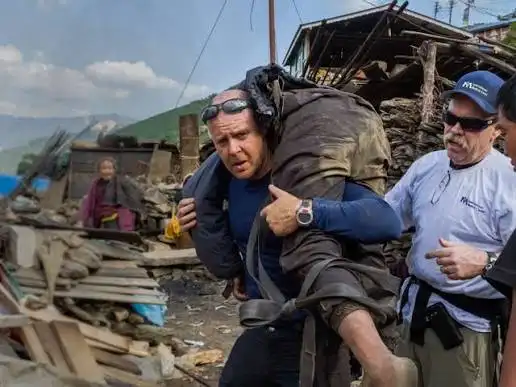
Emergency response operations expanded across several countries as authorities and humanitarian organizations mobilized resources to address the growing impact of the regional crisis. Coordinated efforts focused on delivering medical assistance, restoring essential services, and supporting displaced populations. Officials emphasized the importance of rapid deployment and cross border cooperation to manage the scale of needs emerging in affected areas.
Relief agencies reported increasing demand for emergency shelter, clean water, and healthcare services as infrastructure damage strained local capacities. Field teams worked to elish temporary facilities and supply distribution points, often under challenging conditions. Coordinators noted that access limitations and logistical hurdles were complicating the delivery of aid, particularly in regions experiencing ongoing security concerns and transportation disruptions.
Government institutions in affected countries initiated contingency plans to reinforce national response frameworks, including the activation of emergency operation centers. These measures aimed to streamline communication among agencies and improve the allocation of resources. Officials highlighted the role of local communities in supporting relief activities, noting that grassroots participation was essential in reaching vulnerable populations efficiently.
International organizations called for increased funding and logistical support to sustain ongoing operations, warning that existing resources may be insufficient if conditions persist. Appeals were directed toward donor countries and global partners to contribute financial aid, technical expertise, and equipment. Coordination meetings emphasized the need for transparency and accountability to ensure effective utilization of resources during the crisis.
Healthcare systems faced mounting pressure as hospitals and clinics managed rising numbers of patients requiring urgent care. Medical personnel reported shortages of critical supplies, including medications and protective equipment. Emergency teams prioritized life saving interventions while working to prevent the spread of disease in crowded shelters, where sanitation challenges posed additional risks to already vulnerable populations.
Infrastructure restoration emerged as a key priority, with engineering teams assessing damage to roads, power networks, and water systems. Efforts to reopen transportation routes were underway to facilitate the movement of relief supplies and personnel. Authorities stressed that rebuilding essential infrastructure would be vital for ilizing communities and enabling longer term recovery once immediate emergency needs are addressed.
Analysts observed that the effectiveness of response efforts would depend on sustained coordination among national governments, international agencies, and non governmental organizations. They cautioned that prolonged disruption could stretch capacities and delay recovery timelines. Despite these challenges, responders remained focused on delivering assistance and mitigating the humanitarian impact across all affected regions.








Leave a comment