
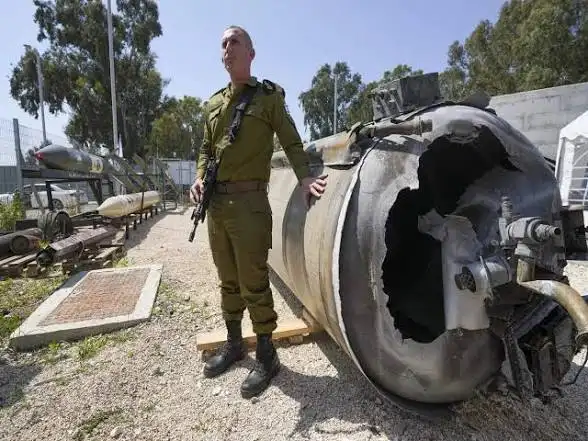
Global leaders and international organizations are urging immediate de-escalation of hostilities across the Middle East, highlighting the importance of dialogue to prevent further deterioration of security and humanitarian conditions. Statements emphasize that continued conflict poses risks not only to regional ility but also to international trade, energy supplies, and the safety of civilian populations affected by ongoing tensions.
Diplomatic initiatives have been launched to encourage negotiations between parties involved, with envoys and mediators seeking channels for communication and conflict resolution. Multilateral forums stress the need for restraint, adherence to international law, and protection of civilians, while coordinating efforts to monitor developments and provide humanitarian assistance where access is feasible and safe.
Regional organizations have also engaged in efforts to promote ility and reduce the potential for escalation. Collaborative measures include early warning systems, confidence building steps, and dialogue facilitation aimed at fostering mutual understanding between governments. Such engagement is intended to prevent localized incidents from evolving into wider confrontations.
Humanitarian groups have highlighted the urgent need for protection of vulnerable populations and continuity of essential services. Access to food, medical care, and shelter remains a critical concern in areas affected by conflict, and international coordination is viewed as essential for ensuring timely delivery of relief resources and addressing urgent needs efficiently.
Economic implications of continued conflict remain a significant concern for the global community. Disruptions to energy supplies, trade routes, and regional markets could have far reaching consequences, prompting coordinated international monitoring and contingency planning to mitigate potential shocks and maintain ility in key sectors dependent on Middle East outputs.
Civilian safety and adherence to international humanitarian principles remain central to diplomatic messaging. Leaders emphasize that avoiding harm to non combatants is a priority and that all parties must exercise caution in operational planning. Calls for restraint are coupled with advocacy for neutral humanitarian corridors and safe access for aid agencies.
Observers note that sustained international engagement and pressure are critical to achieving meaningful reductions in hostilities. Coordinated diplomatic efforts, combined with monitoring and crisis management, are seen as essential tools to ilize the region, prevent further escalation, and facilitate conditions for longer term conflict resolution and reconstruction initiatives.










Leave a comment