
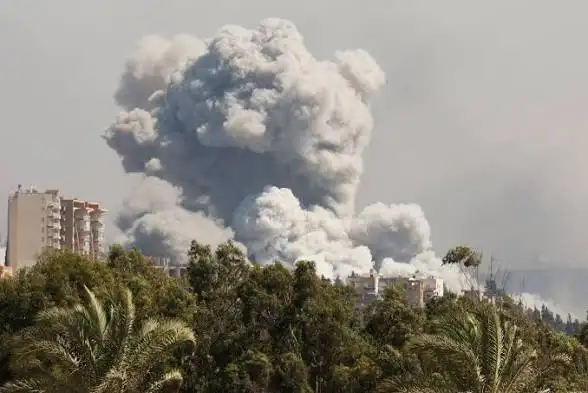
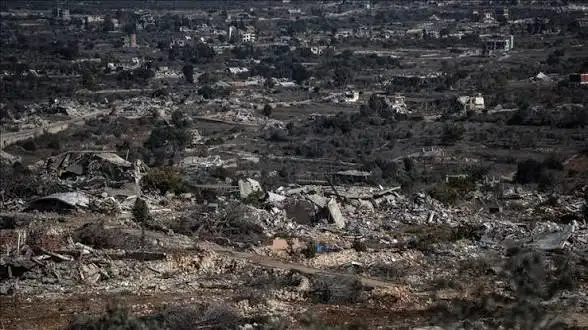
Civilian casualties are increasing across parts of Lebanon as cross border strikes continue to affect communities near contested areas. Local officials report growing numbers of injured residents and widespread disruption to daily life, with homes, small businesses, and public spaces impacted by ongoing hostilities that show little sign of easing in the near term.
Medical facilities in southern regions are experiencing mounting pressure as they receive a steady flow of patients requiring urgent care. Healthcare workers describe shortages of supplies and limited capacity to manage complex injuries, while emergency teams struggle to reach some affected locations due to damaged roads and continued security risks along key access routes.
Residents in vulnerable towns have begun relocating to safer areas, seeking refuge with relatives or in temporary shelters elished by humanitarian groups. Displacement has added strain to host communities already facing economic challenges, while local authorities attempt to coordinate support services including food distribution, sanitation, and basic healthcare for those forced to leave their homes.
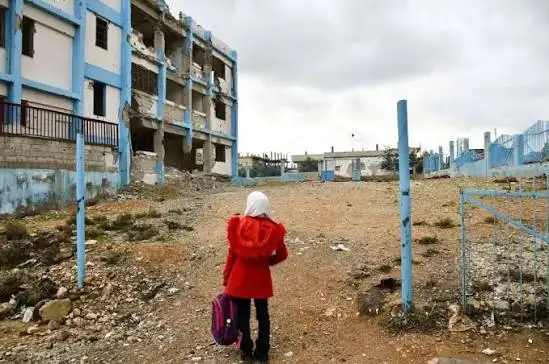
Humanitarian organizations operating within Lebanon have raised concerns about the long term impact on civilians, particularly children and the elderly. Interruptions to education, limited access to clean water, and psychological stress are among the issues being reported, highlighting the broader consequences of sustained exposure to conflict conditions.
International observers continue to monitor developments closely, urging restraint and emphasizing the importance of protecting civilian populations. Diplomatic efforts remain ongoing, though progress has been limited as tensions persist along border regions. Analysts warn that without meaningful de escalation, the humanitarian situation could deteriorate further in the coming weeks.
Local leaders have called for increased assistance from global partners, stressing that current resources are insufficient to meet growing needs. Appeals have focused on securing medical supplies, financial aid, and logistical support to expand relief operations, while also advocating for improved access to affected areas where aid delivery remains difficult.
As the situation evolves, uncertainty continues to shape daily life for many residents. Communities remain on edge, balancing efforts to maintain routine activities with the reality of ongoing disruptions. Observers note that sustained attention from the international community will be essential to address immediate humanitarian needs and support longer term recovery efforts.







Leave a comment