
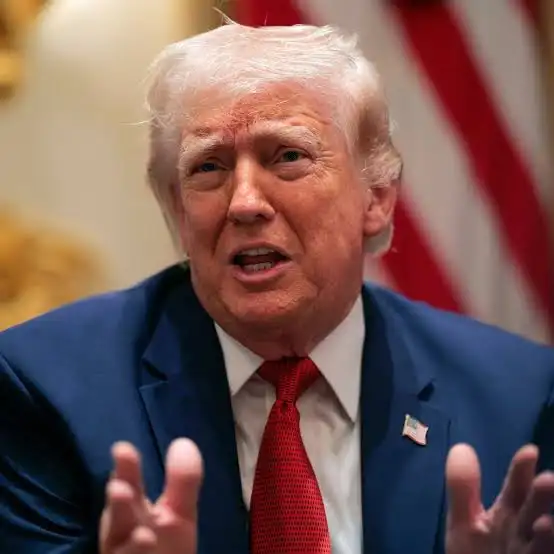
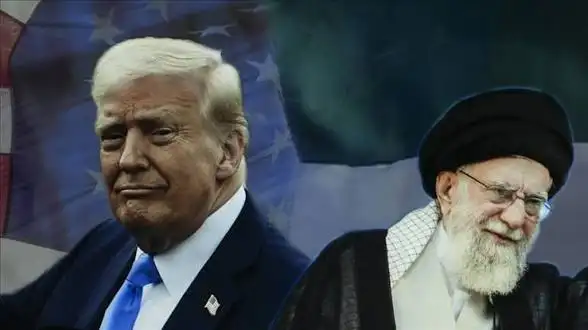
Former United States President Donald Trump has indicated that taking control of Iran’s oil supply remains a possible option as geopolitical tensions continue to influence global energy discussions. His remarks have drawn significant attention from policymakers, analysts, and international observers, raising questions about the potential implications for diplomatic efforts and the broader ility of energy markets worldwide.
Speaking during a public appearance, Trump emphasized the strategic importance of energy resources in shaping global power dynamics. He suggested that controlling oil supply routes could provide leverage in ongoing negotiations, though he did not outline specific plans. The comments have prompted varied reactions, with some officials viewing them as rhetorical positioning while others express concern over possible escalation risks.
International responses have been cautious, with several governments urging restraint and emphasizing the need for diplomatic solutions. Energy dependent nations are particularly attentive to such statements, given their potential to influence supply expectations and price movements. Market analysts note that even speculative remarks can contribute to volatility, reflecting the sensitivity of global oil markets to political developments.
Within the United States, reactions have been mixed across political and policy circles. Some analysts argue that strong positioning could enhance negotiating power, while others warn that aggressive rhetoric may complicate diplomatic channels. The debate highlights broader divisions over how best to approach complex international disputes involving both security considerations and economic interests tied to energy resources.
Oil markets have shown signs of fluctuation following the remarks, with traders assessing potential scenarios involving supply disruptions or strategic interventions. Energy companies are also monitoring developments closely, as ces in policy direction could affect investment decisions and operational planning. This environment of uncertainty continues to shape behavior across both financial and industrial sectors globally.
Experts in international relations stress that control over energy resources has long been a central factor in geopolitical strategy. However, they caution that unilateral actions could carry significant consequences, including unintended economic impacts and diplomatic fallout. The importance of multilateral engagement and adherence to international frameworks remains a recurring theme in discussions surrounding such proposals.
As the situation develops, attention will remain focused on official policy positions and any concrete steps that may follow these statements. Observers are likely to watch for signals from both the United States and its allies regarding their approach to the evolving scenario. The broader context underscores the complex relationship between energy security, diplomacy, and global economic ility.







Leave a comment