
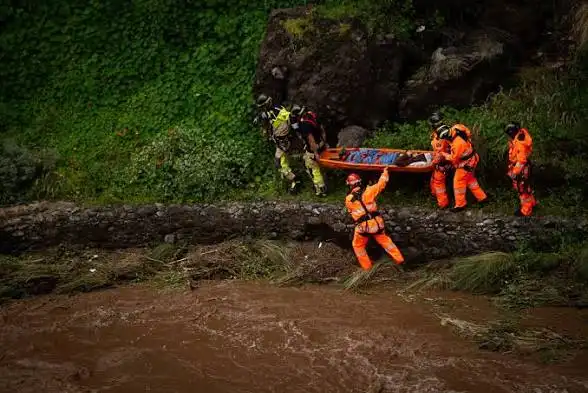
Emergency response systems across several countries have been activated as severe weather events continue to disrupt communities, infrastructure, and daily life. Authorities are coordinating rescue operations, evacuations, and relief distribution while monitoring forecasts that indicate further adverse conditions. Governments and humanitarian organizations are working together to minimize risks and provide assistance to affected populations facing ongoing environmental challenges across diverse regions.
In parts of Oceania, widespread flooding has forced thousands from their homes, with emergency shelters quickly reaching capacity. Rescue teams have been deployed to assist stranded residents, while officials warn that continued rainfall could worsen conditions. Transportation networks have been severely affected, limiting access to remote areas and complicating the delivery of essential supplies and medical assistance for vulnerable communities.
Meanwhile, regions in Asia have experienced powerful storms accompanied by strong winds and heavy rainfall, damaging infrastructure and disrupting economic activities. Power outages have been reported in several urban centers, prompting emergency crews to prioritize restoration efforts. Agricultural sectors in affected areas are also facing setbacks, raising concerns about food supply chains and potential price increases in the coming weeks.
European authorities are also responding to extreme weather patterns, including unseasonal temperature fluctuations and intense storms. Emergency services have been placed on high alert as officials urge residents to follow safety guidelines and remain vigilant. Some countries have activated cross border coordination mechanisms to ensure efficient resource sharing and rapid deployment of aid where it is most needed.
In the Americas, severe weather conditions have led to evacuations in coastal and inland regions alike, with local governments issuing warnings to residents in high risk zones. Disaster management agencies are utilizing advanced forecasting technologies to anticipate developments and guide response strategies. Community level preparedness initiatives have also played a role in reducing the impact of these events on populations.
Experts emphasize that the increasing frequency and intensity of extreme weather events highlight the need for stronger resilience planning and climate adaptation strategies. Investments in infrastructure, early warning systems, and public awareness campaigns are seen as essential steps in mitigating future risks. International cooperation remains a key factor in addressing the complex challenges posed by global weather patterns.
As conditions evolve, authorities continue to assess damage and coordinate recovery efforts, focusing on restoring normalcy as quickly as possible. Relief operations are expected to continue in the coming period, with attention turning to rebuilding and long term support for affected communities. The ongoing situation underscores the importance of preparedness and coordinated action in managing large scale environmental emergencies.







Leave a comment