
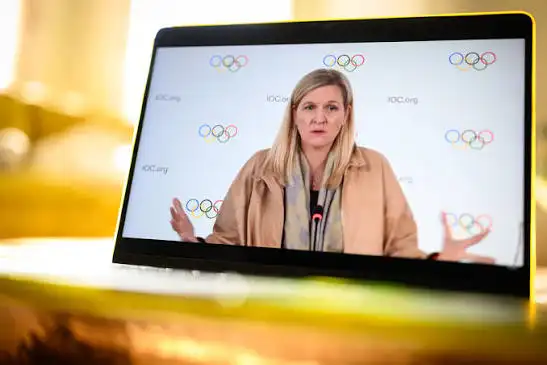
The International Olympic Committee has announced a new policy affecting participation in female competition categories, stating that trans women will no longer be eligible under the updated framework. The decision marks a significant shift in international sports governance and has generated widespread debate among athletes, officials, and advocacy groups across different regions and sporting disciplines globally today.
Officials from the committee explained that the policy aims to ensure fairness in competition while maintaining the integrity of women’s sports. They noted that the decision followed extensive consultations, scientific reviews, and discussions with stakeholders. However, critics argue that the move raises concerns about inclusion and could impact athletes who have previously competed under existing eligibility guidelines.
Supporters of the policy believe it provides clarity and consistency across competitions, addressing concerns raised by some athletes regarding competitive balance. They argue that governing bos must consider physical factors when elishing rules for participation. At the same time, others emphasize the importance of creating inclusive environments that respect the rights and identities of all competitors in global sporting events.
Athlete reactions have been mixed, with some expressing support for the decision while others voiced disappointment and concern. Advocacy groups have called for further dialogue, urging sports authorities to consider the broader implications of such policies. The debate reflects ongoing tensions between fairness, inclusion, and the evolving understanding of gender in the context of competitive sports worldwide.
Sports organizations around the world are now expected to review their own policies in response to the announcement. Some federations may adopt similar measures, while others could choose alternative approaches based on their specific contexts. Analysts suggest that the decision may lead to a period of adjustment as stakeholders navigate the implications for competitions, athlete eligibility, and governance structures.
Legal experts note that the policy could face challenges in various jurisdictions, particularly where anti discrimination laws provide protections based on gender identity. They highlight the complexity of aligning international sports regulations with national legal frameworks. This dynamic may result in ongoing discussions and potential revisions as organizations seek to balance competing considerations in policy implementation.
The International Olympic Committee has indicated that it will continue to engage with stakeholders and monitor developments related to the policy. Officials emphasized that the goal is to maintain fairness while respecting the diversity of the global sporting community. The issue is likely to remain a focal point of discussion as sports organizations and athletes adapt to the evolving regulatory landscape.











Leave a comment