
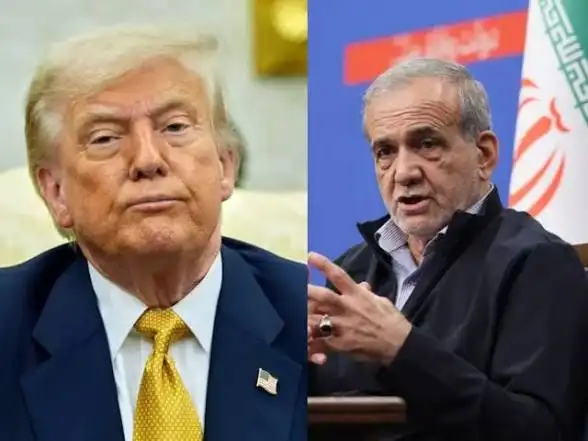
Iran Denies Any Ongoing Negotiations With The United States Amid Heightened Regional Tensions Officials In Tehran Stated That Reports Suggesting Active Talks Are Inaccurate And Misleading Emphasizing That Current Conditions Do Not Support Formal Diplomatic Engagement Between The Two Countries At This Time According To Government Statements Released Through Official Media Channels Earlier Today Across The Region Widely
Authorities reiterated that Iran position remains unced regarding engagement with Washington citing longstanding disagreements over security arrangements sanctions and regional influence They stressed that any future dialogue would require substantial shifts in policy approaches from the United States before meaningful discussions could realistically take place within a constructive diplomatic framework acceptable to national leadership and strategic planners alike
Analysts say the denial reflects broader tensions shaping relations between the two countries where mistrust has deepened over time They note that public statements rejecting negotiations can serve both domestic and international messaging purposes reinforcing a firm stance while limiting expectations of immediate diplomatic progress under current geopolitical circumstances and ongoing regional pressures affecting policy decisions today globally
United States officials have previously indicated interest in reopening channels of communication with Iran particularly during periods of rising tension However such efforts have faced repeated setbacks due to conflicting priorities and mutual distrust that continue to define interactions between both governments across multiple areas of policy and security concern in the international arena today as well globally
Regional observers believe the absence of negotiations increases uncertainty across the Middle East where many countries monitor developments closely They warn that without dialogue misunderstandings could escalate tensions further especially in sensitive areas involving security cooperation economic interests and strategic alignments that influence regional balance and international engagement efforts moving forward under uncertain conditions today and beyond expectations
Diplomatic experts emphasize that communication gaps between major powers often complicate crisis management efforts They argue that even limited informal contacts can help reduce risks of miscalculation despite public denials or political positioning Maintaining indirect channels they suggest remains important for managing tensions and preventing unintended escalation in volatile environments where rapid developments can reshape strategic calculations quickly
For now Iran stance signals a continuation of its current approach prioritizing independence in decision making while resisting external pressure Observers say future shifts will depend on evolving regional dynamics and potential ces in international relations that could create conditions more favorable for renewed diplomatic engagement between the two sides in coming periods if circumstances ce significantly ahead





Leave a comment